Skin Peeling, London UK
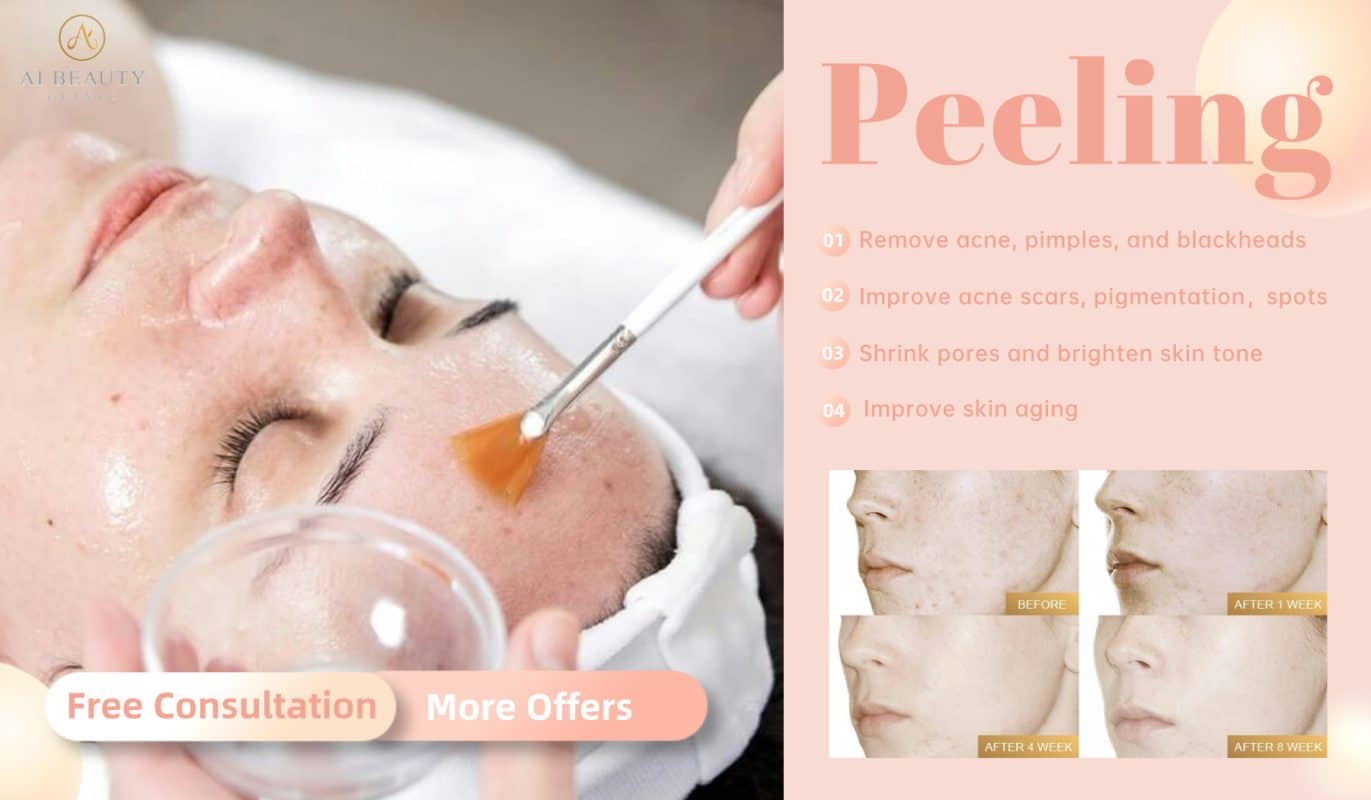
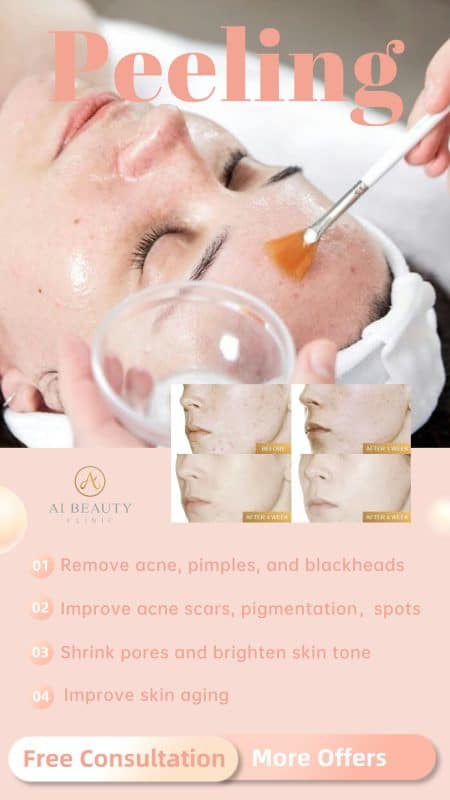
A chemical peel is a skin-resurfacing treatment that uses a carefully formulated chemical solution to exfoliate and remove the outer layers of damaged skin. As the skin heals, it regenerates with a smoother texture, a more even tone, and a refreshed, youthful appearance. Chemical peels are commonly used to improve fine lines, wrinkles, pigmentation concerns, and acne scars—most often on the face. They can be performed as a standalone treatment or combined with other aesthetic procedures for enhanced results.
Generally, fair-skinned and light-haired patients are better candidates for chemical peels. If you have darker skin, you may also have good results, depending upon the type of problem being treated.
Chemical peels work best for people who are experiencing hyper-pigmentation, textured skin, discoloration, and acne scarring.
For the full range of our treatements in our skin care clinic london please click.

● Chemical peels can improve the skin’s appearance. In this treatment, a chemical solution is applied to the skin, which makes it “blister” and eventually peel off. The new skin is usually smoother and less wrinkled than the old skin.
● They can be used to:
● Reduce fine lines under the eyes and around the mouth
● Treat wrinkles caused by sun damage and aging
● Improve the appearance of mild scars
● Treat certain types of acne
● Reduce age spots, freckles, and dark patches (melasma) due to pregnancy or taking birth control pills
● Improve the look and feel of skin
Price Table
-
 Peeling (Face) 1 session
£149.00
Peeling (Face) 1 session
£149.00 -
Peeling (Face) 4 sessions
£520.00
-
Peeling (Back) 1 session
£449.00
-
Peeling (Back) 4 sessions
£1,559.00
-
Peeling (K Ceutic Repair Cream)
£39.00

Chemical peels are available in varying depths—light, medium, and deep—depending on the level of rejuvenation you’re seeking. Each peel strength uses a specific chemical solution designed to target different layers of the skin. While deeper peels deliver more dramatic improvements, they also require longer recovery periods compared to lighter options.
A chemical peel can be used to treat various skin problems. Depending on the issues you’re addressing with the procedure, you’ll choose a chemical peel in one of three depths:
○ Superficial peel.
A light (superficial) chemical peel gently exfoliates the outermost layer of the skin (the epidermis). It is commonly used to improve fine lines, mild acne, uneven skin tone, and dryness. Because it is a low-intensity treatment with minimal downtime, a light peel can be performed regularly—typically every two to five weeks—depending on your goals and skin needs.
○ Medium peel.
A medium chemical peel removes the outer layer of skin (epidermis) and targets the upper portion of the dermis, the skin’s middle layer. This level of peel is effective for improving wrinkles, acne scars, and uneven skin tone. To maintain results, a medium peel may be repeated every three to nine months, depending on your skin’s response and aesthetic goals.
○ Deep peel.
A deep chemical peel removes the epidermis and reaches the mid to lower layers of the dermis for a more intensive resurfacing effect. This type of peel is typically recommended for deeper wrinkles, significant scarring, or certain precancerous skin lesions. Because of its strength and lasting impact, a deep chemical peel can only be performed once.

Chemical Peels for Scars. Chemical peels improve the appearance of mild scarring by using a chemical solution to remove the outer layer of old skin. The new skin that replaces it is usually smoother and less irregular in appearance.
● lightening of dark spots
● unclogging of pores to help prevent future breakouts

● A chemical peel can improve the size of your pores, it can make them less noticeable. Chemical peels are most used to remove the outer damaged layers of the skin with an acidic solution to improve skin’s appearance and texture.
● smoother texture and tone
After Care
1、Hands Off
The main goal of a chemical peel is to pull up and slough off the damaged skin cells, revealing healthy, glowing skin underneath. When the dead skin starts to shed, avoid touching, picking or scratching it with your fingers. Let the dead skin shed off naturally, and don’t peel the skin off with your own fingers – using fingers to remove the dead skin can lead to possible scarring.
2、Pull It Back
Pulling your hair back away from the face with a hair band can help prevent you from touching and keep breakouts at bay. It’s important to allow the skin to go through its naturally peeling process, without accidentally contacting your skin while brushing back your hair. Touching the skin with dirty fingers and hands will only aggregate the new skin and may lead to breakouts. If breakouts do occur, don’t treat them yourself! Have your aesthetician treat them for you or just leave them alone.
3、Moisturize – But Just Enough to Be Comfortable
After receiving a chemical peel, your skin will be sensitive. There may be certain products in your normal skin care routine that you’ll want to avoid, as they may have active and irritating ingredients. The only two products you will want to use on your skin during the peeling process are sunscreen and just enough of a bland (neutral) moisturizer to be comfortable. The skin feeling and looking dry is part of the peeling process, and your moisturizer won’t be able to correct that.
When applying moisturizer to the skin, be careful as well not to rub or scrub it in. Gently apply a thin layer of moisturizer all over the skin multiple times throughout the day, as needed. You’ll be able to go back to your regular skincare routine once the peeling process is complete and skin no longer feels sensitive – generally within a week of receiving your chemical peel.
4、Protect Your Skin With SPF
You’ve just gone through the process of getting rid of damaged skin with a chemical peel – so it’s important to avoid damaging the new, vulnerable skin coming through by protecting it with a layer of sunscreen anytime exposure to the sun is possible.
5、Let It Peel
Do not remove any of the dry, dead skin with any sort of rubbing, peeling or pulling during the peeling process. Safe exfoliation can be done as soon as skin is no longer hypersensitive.
6、Lighten Up
Now is a good time to come in for a consult and get a custom home care regimen to maintain your newly brightened skin! You want to be sure to have a great antioxidant, which is your first line of defense against free radicals every day. Specialized melanocyte down regulators can help with tougher pigment – see your skin care professional to learn more!
7、Don’t Worry
It’s also a good idea to just read a book and don’t worry about how your skin looks for a few days. The result is more than worth the investment!
AI BEAUTY CLINIC:
A CQC-Approved Aesthetic Clinic

Ai Beauty Clinic is accredited by the Care Quality Commission (CQC). The CQC is responsible for the inspection and regulation of all healthcare services in England, including the NHS. Ai Beauty Clinic is proud to stock equipment, tools and supplies that comply with strict CQC standards.
We provide nothing but the best aesthetics services, guaranteeing that all clients receive a safe and satisfactory experience.


Enquire About Skin Peeling Treatment
-AI BEAUTY CLINIC-
Maybe the treatments you are interested in are:

HydraFacial
HydraFacial is a patented skincare treatment developed by an American skincare company, HYDRAFACIAL. The treatment is dedicated to exfoliating, extracting, and hydrating. The HydraFacial is a non-invasive hydra-dermabrasion procedure that is suitable for a long-term skincare routine. It is ideal for all skin types and especially gentle with sensitive skin.

M22
Intense Pulsed Light (abbreviated IPL) describes the use of intense pulses of non-coherent light distributed over a range of wavelengths; from 400nm to 1200nm. The technology utilizes specific wavelength ranges to target various chromophores in the skin. This enables effective treatment of a broad spectrum of conditions, including vascular and pigmented lesions, skin photoaging treatments.

PicoSure
PicoSure® is the world’s first and only picosecond aestheticlaser cleared by the FDA in Europe and the United States, CFDA in China. It is a treatment that can remove tattoos and pigmentation effectively and safely. This is unprecedented treatment is popular in Europe and the United States. From then on, the global medical aesthetics market has entered a new page off picosecond therapy.