Acne Marks
Everyday is a battle for people who have acne-prone skin. Even after a long flight to get rid of the acne, the victory does not last long as the left behind acne mark is the next battle. The continuous concern and struggling on the acne and acne mark tire people out and lose faith. Will aesthetic therapies offer better results?
What is acne mark
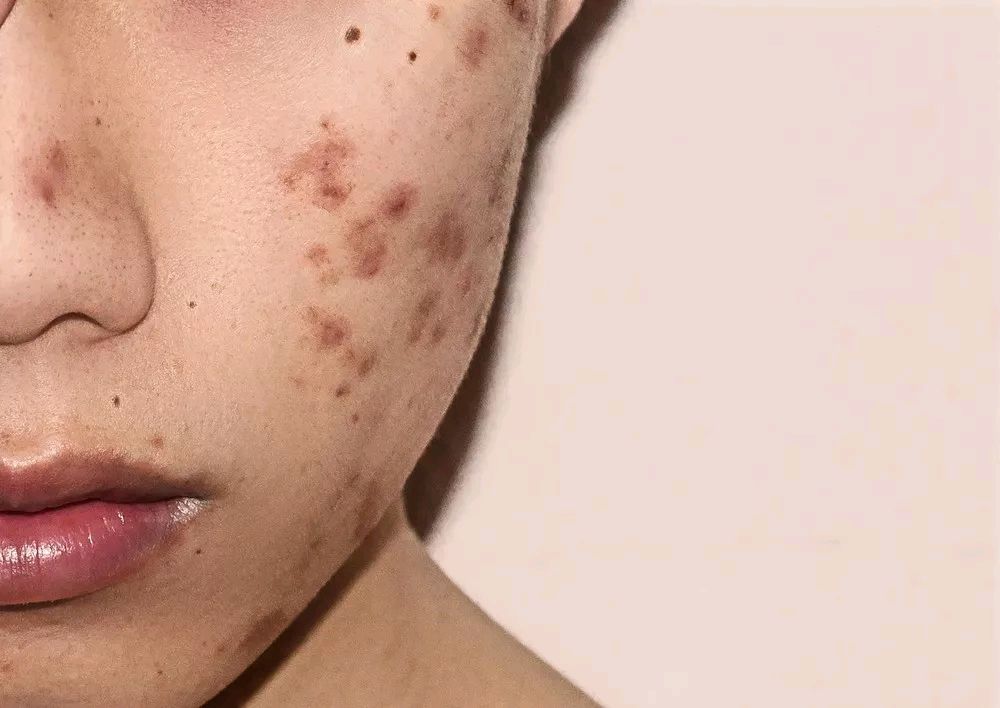
Acne mark is a post-inflammatory hyperpigmentation left behind after a pimple heals.
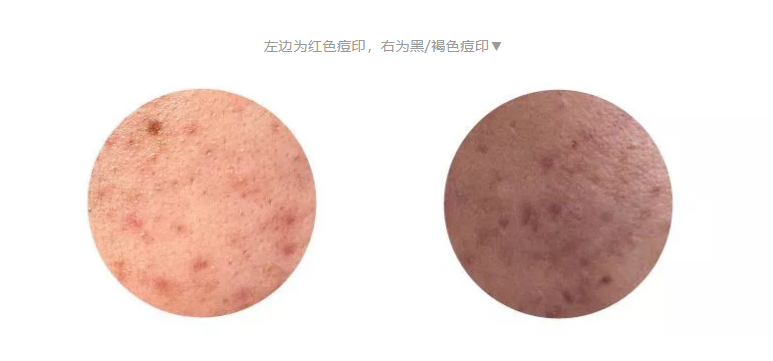
Two common colours of acne marks: red acne mark (post-inflammatory erythema) and black/brown acne mark (post-inflammatory hyperpigmentation).
Symptoms and Causes
① Red acne marks
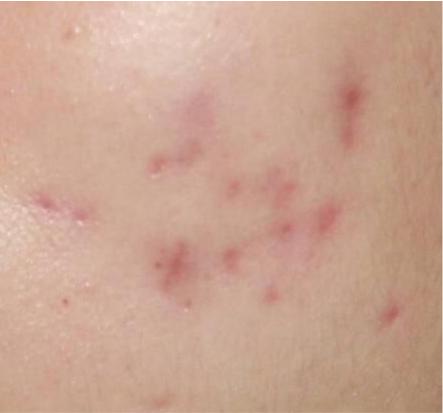
Acne marks, also known as post-inflammatory acne marks, appear red when it first formed due to the dilation of the blood capillaries.
When a pimple is infected, the nearby blood capillaries will get infected and irritated by the surrounding enlarged sebaceous gland. The blood capillaries will dilate in order to increase the blood flow for healing. However, when the pimple is healed, the blood flow will slow down and the blood capillaries will stay dilated for a short period of time, causing the accumulation of red blood cells and platelets at the location of the healed pimple. It leads to the formation of the red acne mark.
② Black/brown acne mark (post-inflammatory hyperpigmentation)
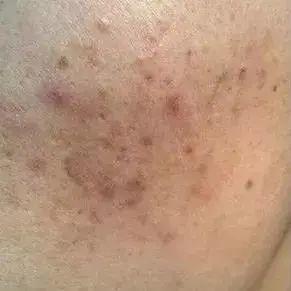
After recovery from an acne outbreak, exposure to the sun without proper sun protection could further harm the skin. The UV radiation can trigger the generation of melanin in the skin and stay in the epidermis or dermis, which can turn the red acne mark into black acne mark (post-inflammatory hyperpigmentation). Usually, when our skin barrier is damaged or irritated, acute or chronic inflammation will occur which will cause hyperpigmentation. The degree of hyperpigmentation varies from person to person and is not related to how bad the inflammation was.
The black acne mark was once a red acne mark. In short, when inflammation occurs, blood capillaries will dilate and skin will appear red. If the inflammation continues over time, melanin will be generated to protect the skin and cause black/brown pigmentation.
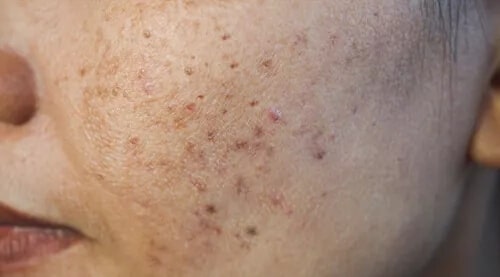
Unlike the red acne mark, post-inflammatory hyperpigmentation is not limited to occurring after the healing of pimples. Overproduction of melanin is one of the common causes of hyperpigmentation.
1. Exposure to the sun
When our skin is exposed to the sun, it triggers an inflammatory response. Under a long sun exposure, the inflammation level will increase to a level that our bodies start producing inflammatory mediators. These mediators are responsible for a large number of skin reactions and one of them is the activation of melanocytes. Melanocytes will then stimulate the secretion of melanin.
2. Skin damage
Popping a pimple can damage your skin and cause excess melanin secretion. Your body will react to any type of skin damage with an inflammatory response. The response will lead to the activation of melanocytes. In addition to an inflammatory response, when your skin is injured, it may not be able to regenerate skin pigment. When skin pigment cannot be regenerated, darker pigment will develop in the injured skin.
3. Allergic reaction
Allergic reactions can cause inflammatory reactions in the skin. When you come into contact with the substance that you are allergic to, your body reacts quickly and causes skin irritation. Your skin most likely develops an inflammatory response.
4. On medication
Some medicines have indicated their side effect of hyperpigmentation to notify the user with the possible results. Some examples are topical retinoids, antibiotics, hormonal medicine, nonsteroidal medicine, and chemotherapy medicine. Also, medicines that alter our hormonal level will also stimulate melanocytes, which will increase the secretion of melanin.
5. Improper hair removal
Removal of facial hair or usage of irritating skin care products may lead to skin inflammation reaction. An inflammation reaction can result in hyperpigmentation in the skin.
6. Hormonal change
Increasing levels of oestrogen and progesterone, for example during pregnancy or on birth control pills, can cause hyperpigmentation.
7. Genetics
Hyperpigmentation is affected by the interplay of genetics. People who are prone to hyperpigmentation will develop hyperpigmentation after exposure to little irritations such as allergic reaction, sun exposure, hormonal change and injuries.
Affected people
People with acne-prone skin; People who pop their pimples; People who do not put on sun protection;
Treatment
A. M22 IPL treatment
What is M22:
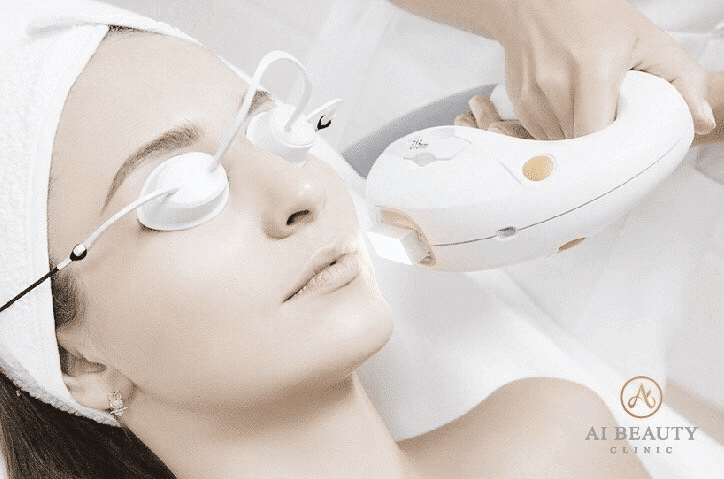
M22 is an innovative photoelectric skin revitalisation instrument jointly developed by Lumenis, Stanford University, and Harvard University. It innovatively combines the world leading technologies (OPT technology and fractional non-ablative technology – RESURFX) to effectively treat pigmented lesions, acne scars, etc.
B. Acid Peel
What is acid peel:
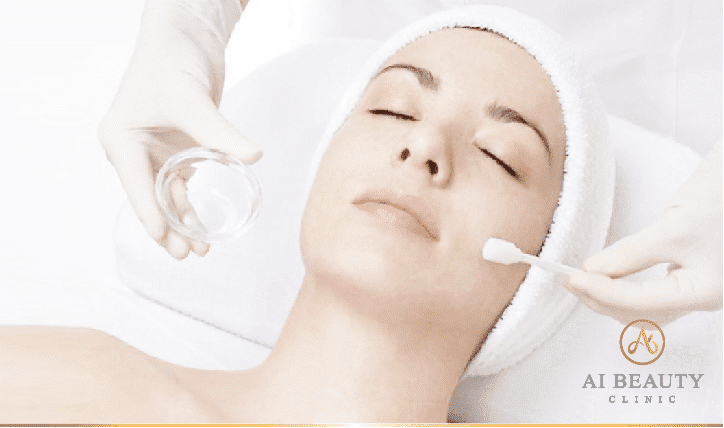
Acid peel is a skin resurfacing procedure involving application of acidic solution on the skin. The acidic solution dissolves the oil particles among cells on the outermost layer of the epidermis and promotes the removal of the outermost layer.
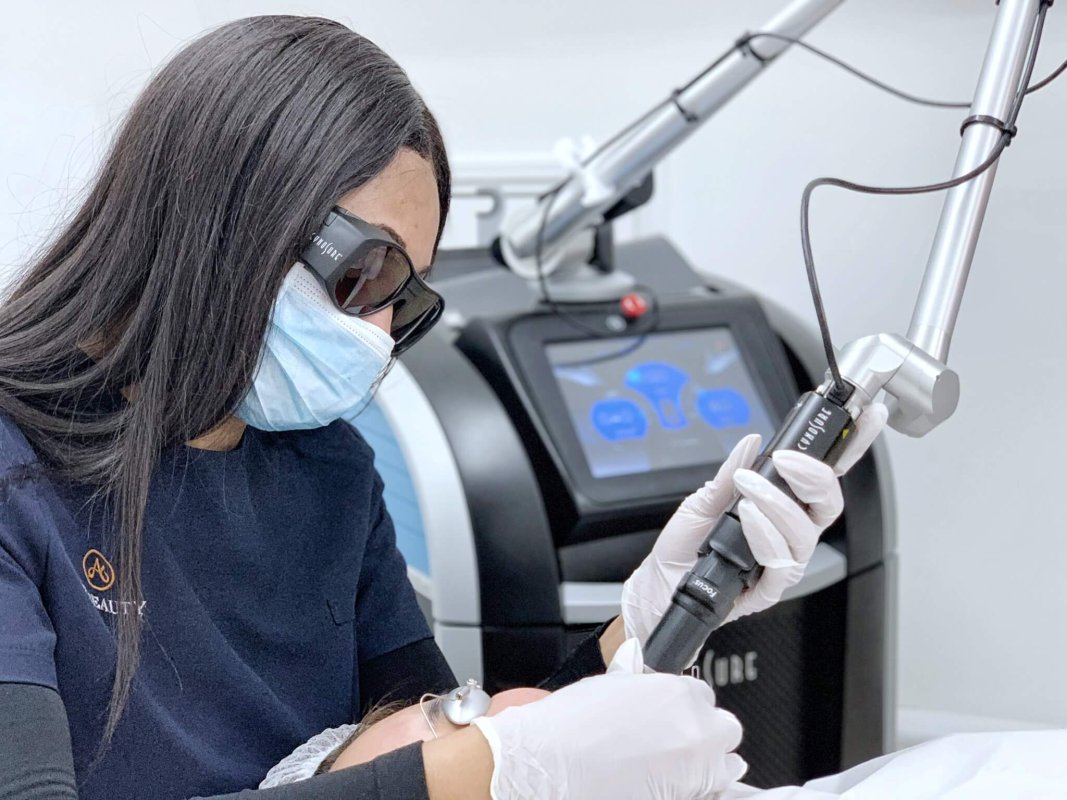
C. PicoSure Laser Pigmentation Treatment
What is PicoSure:
PicoSure is an aesthetic picosecond laser treatment that can safely and effectively remove tattoos and pigmentation. It has been certified by the US FDA and China CFDA and approved for the use in treatment of pigmented skin problems and pigmentation.
D. Mesotherapy
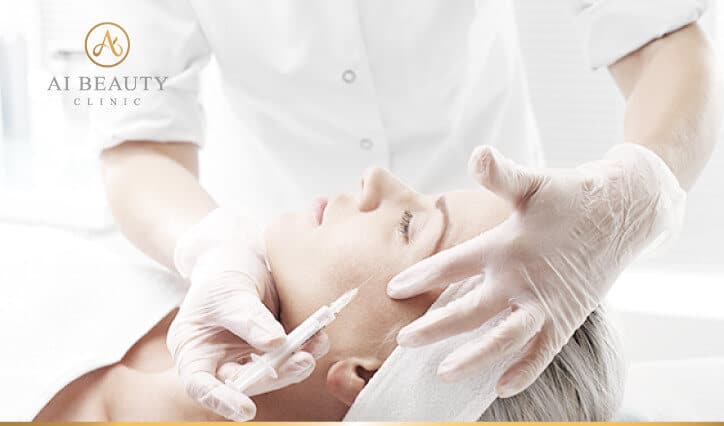
What is Mesotherapy:
Our skin is facing all kinds of damages everyday, like photodamage, pollution and the natural aging process. Mesotherapy can be a regular skin rejuvenation treatment that helps maintain our skin in a good condition in the long run.
E.Platelet-rich plasma (PRP) Treatment
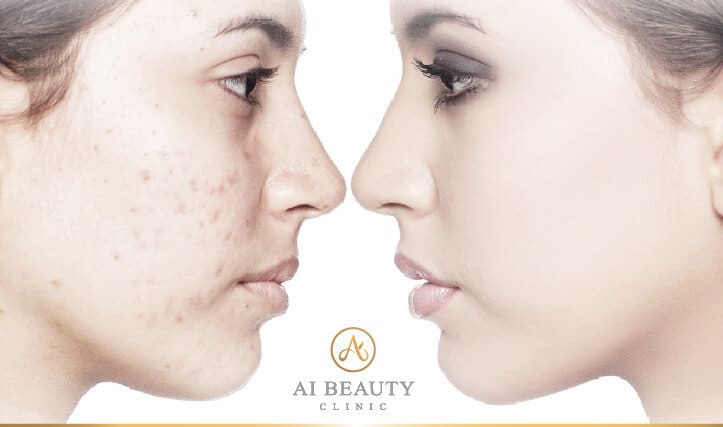
What is Platelet-rich plasma (PRP) Treatment :
The treatment involves the extraction of the platelets and white blood cells from the client’s blood via centrifugation. The resulting extract containing a high concentration of growth factors will be injected into the client’s skin. PRP treatment is a safe skin rejuvenation treatment that has obtained European CE, ISO and SQS certifications;
F. Radiofrequency (RF) Microneedling
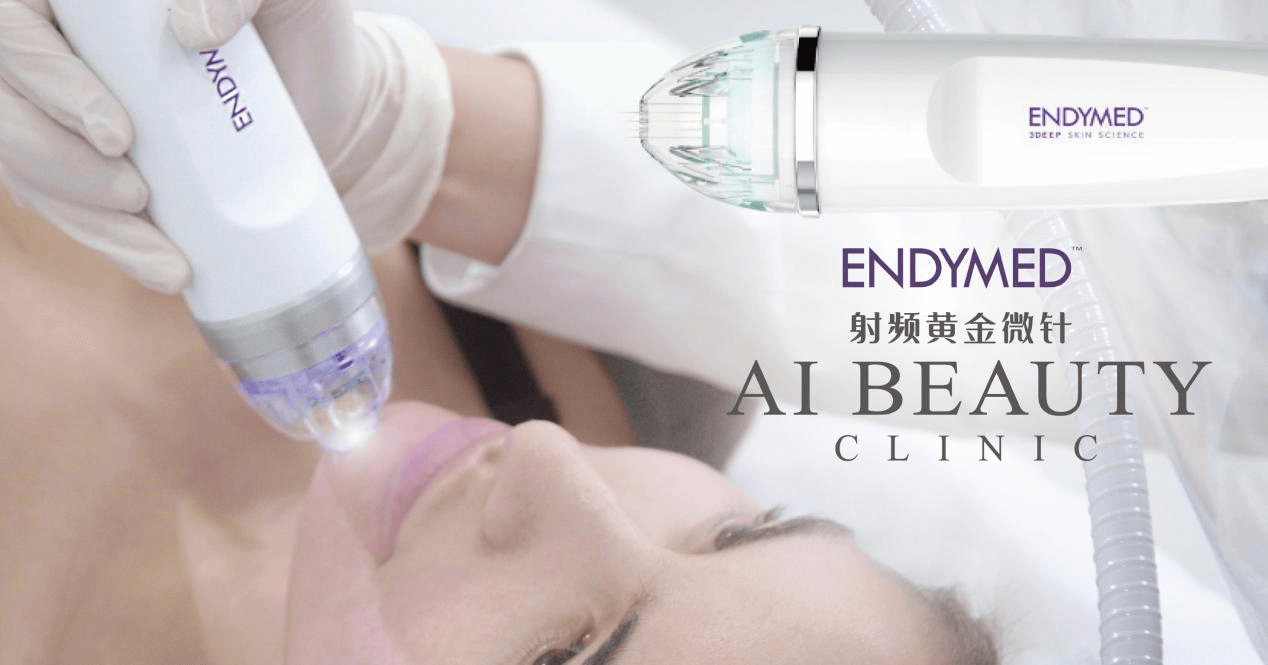
What is Radiofrequency (RF) Microneedling:
Radiofrequency (RF) Microneedling is an innovative technology integrating matrix application, microneedling, and radio frequency technology. During the treatment, a device with fine needles creates tiny punctures in the skin. The RF energy is then delivered via the small needles into the dermis to stimulate the production of new collagen and elastin.
G. Skin whitening drip
What is IV drip:
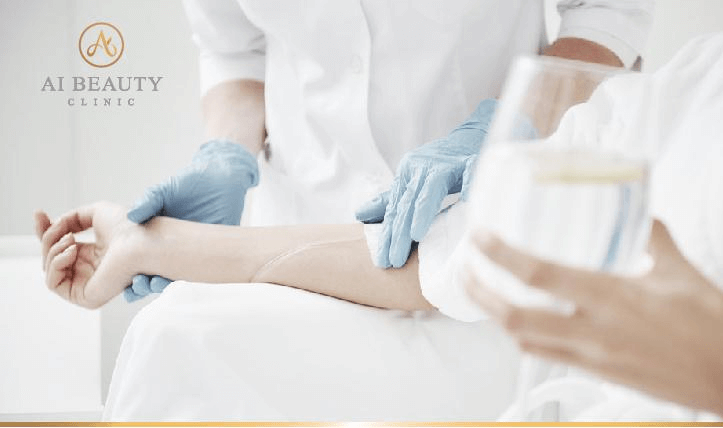
The whitening drip solution will be delivered into the bloodstream by intravenous drip. The nutrients in the solution will travel throughout the body and provide a quick and even whitening effect.
E. Fotona 4D Pro
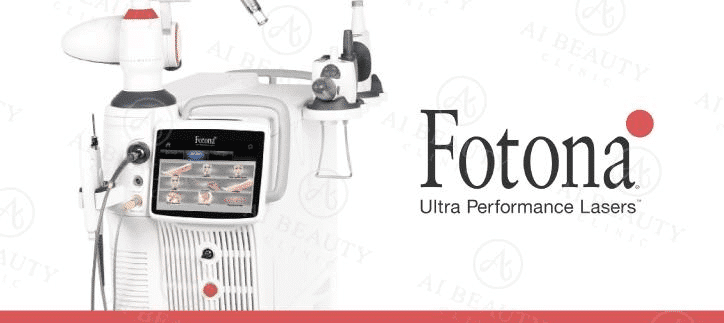
What is FOTONA 4D PRO:
FOTONA 4D PRO is the new-generation non-invasive anti-aging laser system for a comprehensive facial rejuvenation treatment. The system integrates the four patented modals: SMOOTHLIFTIN, FRAC3, PIANO and SUPERFICIAL to work on partial layers treatment and multi dimensional anti-aging solution, while simultaneously targeting different skin imperfections.
If you are looking for an effective way to get rid of black acne marks, we highly suggest a combi treatment 【Acid Peel + M22 Laser】 that can eliminate acne marks thoroughly.
In the combi, the M22 laser treatment will breakdown the pigment cluster into smaller pigment particles while the acid peel treatment will exfoliate the outermost layer of epidermis and boost the skin metabolism to facilitate the elimination of pigment particles. Two treatments work well together to enhance the overall efficiency. For example, getting an acid peel session 2 weeks before an M22 laser treatment will maximise the M22 laser results by increasing the laser permeability on skin.
We often suggest clients receive 2 months of the 【Acid Peel + M22 Laser】 combi for visible results. During the combi treatment, get acid peel 2-3 weeks after the M22 session, and M22 session 2-3 weeks after the acid peel.
Reduce acne mark hyperpigmentation, come to Ai Beauty Clinic,
for safe and professional medical treatment.
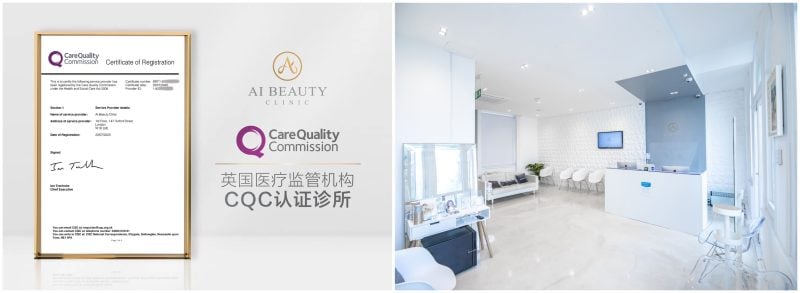
Ai Beauty Clinic is a CQC accredited clinic based in London, and also is strongly supported by Cynosure(the owner of Ulthreapy) and Cynosure (the owner of PicoSure).
With rich experience of treating clients of various conditions, led by a famous British medical chief trainer, practiced by doctors and nurses who are GMC/NMC-registered and worked in NHS national hospitals, Ai Beauty provides certified and safe medical beauty treatments.
Ai Beauty always puts safety first. Not only are all medical staff insured by independent medical policy, each client who comes to Ai Beauty Clinic is also insured by £5 millions medical insurance. This full insurance coverage allows clients to have a concern-free treatment experience.
Ai Beauty Clinic has served over 15,000 clients from all around the world, been covered by some famous media such as European Times and CW Television, and established trust and an excellent reputation among them.