Hyperpigmentation
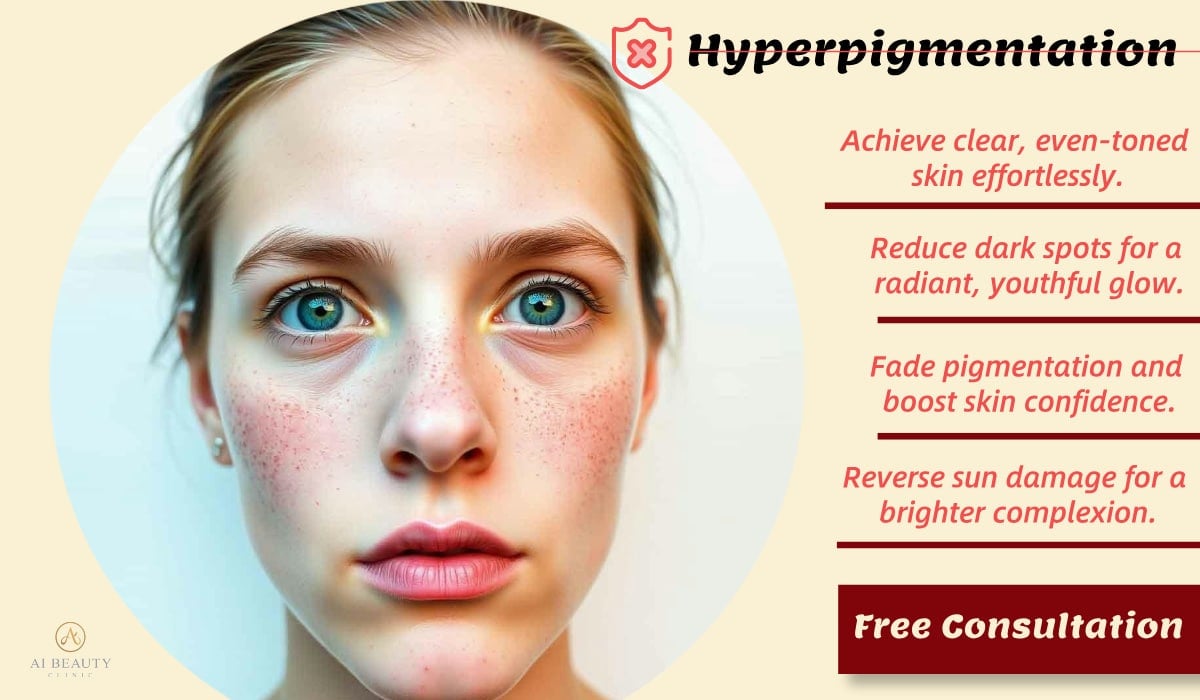
Hyperpigmentation problem has concerned people at every single age group. 80% of people will face this issue in their life. For example, genetic pigmentation will start to appear at age 10+. Sunlight-induced pigmentation will manifest at age 20+ while age spots will manifest at age 30+. All kinds of age-related, hormone-related pigmentation can be shown on skin at age 40+. If you would like to keep a clean face without blemish, efforts to prevent and get rid of pigmentation should be made.
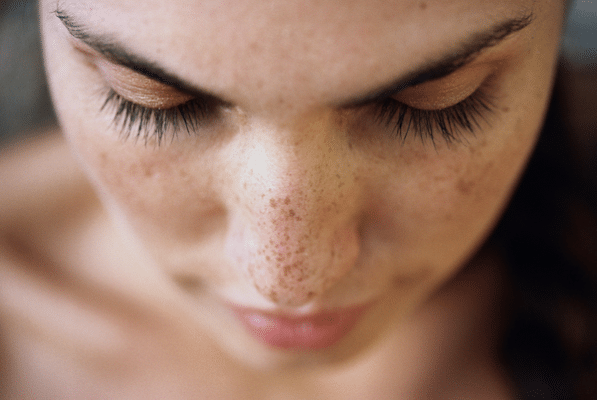
Hyperpigmentation is caused by the excess production of melanin, and can be triggered by a range of factors such as sun exposure, gender (commonly seen in women). Pigmentation is usually found on the face, cheeks and forehead, and manifested as an uneven appearance in skin colour than the surrounding areas.
The origin of pigmentation is melanin. Melanocytes (our melanin-producing skin cells) stored in the epidermis layer generate melanin when it is triggered by UV light. The more light exposed, the more Melanin will be produced to protect the underneath skin cells from the UV light related DNA damage and inflammation. Then, the melanin produced will stay and appear as spots on the skin. Through the natural skin metabolic cycle, the melanin will be metabolised and moved from the epidermis layer to the stratum corneum (outermost layer of the epidermis), and finally detached from the skin. A full skin metabolic cycle is around 28 days.
The causes of pigmentation
1. Genetic factors: A common example is genetic fleckles. Developing during the fetal development period; manifesting at age 6-12; reaching its peak at age 18.
2. External factors: Sunlight exposure will trigger and worsen hyperpigmentation. Application of poor quality skincare/makeup products. Irritation and physical damage.
3. Internal factors: endocrine imbalance
-
The increase in tyrosinase activity caused by pregnancy leads to the deposition of melanin;
-
Acid base imbalance in the body. Acidic bodies tend to have slower metabolism that will lead to pigmentation;
-
Malnutrition, lack of vitamins and slow metabolism can cause spots formation.
4. Mental stress, fatigue, neurological disorders, and adrenal sebum insufficiency can increase tyrosinase activity, resulting in hyperpigmentation.
5. Light sensitive
Oral antibiotics and contraceptives use can enhance the absorption of UV light
Food: Shellfish and seaweed family
Plant: citrus family fruits and moraceae family plant enhance the absorption of UV light
6. Diseases:
- Liver and kidney malfunction, poor blood-formation function, poor blood circulation, diabetes due to poor metabolism;
- Over secretion of thyroid and hyperthyroidism will increase the activity of tyrosinase leading to pigmentation;
- Skin diseases and acne will cause pigmentation;
- Aging slows down the metabolic rate.
Symptoms and Group
Pigmentation is a common type of facial hyperpigmentation disease that appears on the face and body. It can be divided into active and passive types.
● Active type: The formation is activated by aminoase that can be triggered by sunlight exposure and endocrine imbalance. The pigment can be in a range of shades of colour and darkness, and can be removed. Common active spots are Melasma, sun spots, Chloasma, and dark spots.
● Passive type: Stable pigmentation. External environmental factors do not affect the development of pigmentation. Removal of a pigment is permanent. Common passive spots are genetic spots, freckles, age spots and moles.
In medical beauty treatment, there are some commonly seen and treated pigmentations.
1、Freckles
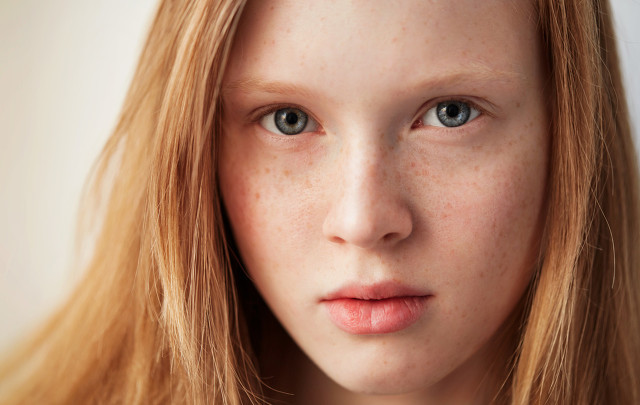
Causes: Mainly gene-related but can be triggered or worsened by sun exposure
Group: people with lighter skin colour
Affected areas: nose or cheek
Appearance: Scattered spots, usually brown, generally darker in color
They are epidermal spots and are a common brown spot-like pigmentation found on the face. They can be as small as the tip of the needle to the size of a rice grain. The number of freckles varies, and they do not group together. Generally, freckles start to show in childhood with women having a higher tendency than men, and family inheritance contributes significant impact on onset.
2、 Melasma / Chloasma
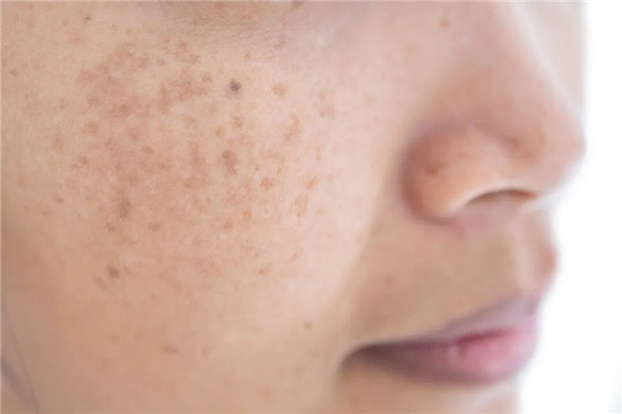
Causes: Dietary style, sun exposure, mood, pregnancy, change of temperature.
Group: Pregnancy women, women, people with liver diseases
Affected areas: cheekbone, forehead, nose, around mouth or chest
Appearance: Symmetrical and butterfly-shaped spots, so it is also called “butterfly spot”. It shows as yellowish brown or dark brown pigment on the face. It can be in varied darkness and irregular shape, and with clear edges, smooth surface, no inflammation sign, no pain and itching feeling.
Melasma is a pigmentation that occurs in the dermal layer, and its formation could be complicated. Its occurrence can be related to hormonal changes, and estrogen and progesterone level changes. Commonly seen in women. Also, people with chronic diseases such as female genital diseases, menstrual disorders, dysmenorrhea, liver diseases, visceral tumors, tuberculosis and long-term medication are vulnerable to melasma. The pigmentation could be worsened by over exposure to sun, weather, and endocrine factors. Mental states such as depression, staying up late, insomnia, and fatigue can aggravate pigmentation. Melasma is also called “liver spot” because clinically found that many patients with liver disease have melasma; it is also called “butterfly spot” due to its symmetrical shape along cheeks; “pregnancy spot” is another name for Melasma as it also occurs frequently during pregnancy.
3、 Acquired dermal melanocytosis (ADM)
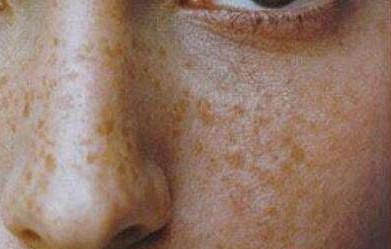
Causes: Inborn, use of poor quality cosmetics, people with gynecological diseases or ovarian dysfunction
Group: Women, aged 25 to 45
Affected areas: Around cheekbone, temple
Appearance: Several brown or dark brown spot clusters are distributed symmetrically in a round or irregular shape, with clear boundaries. Varied in numbers.
Acquired dermal melanocytosis (ADM) is an inborn but non-genetic pigmented disease. It is a dermal spot as the pigment is deposited in the dermis layer. Symptoms are similar to freckles and Melasma, manifested by symmetrical bark gray spots on the cheekbones, which frequently occur between 25 and 45 years old. Occurs in women more than men. Some studies suggest that it is a damage formed by melanocytes that fail to pass through the epidermis and dermis layers to stay in the dermis layer during embryonic development. Nevus of Ota falls into this category but with a more severe condition.
4、Sunspots
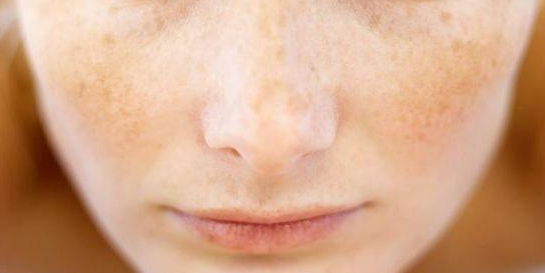
Causes: Excess sun exposure over time
Group: People had excess sun exposure over time
Affected areas: Face especially nose and cheekbone
Appearance: Star-shaped brown spots
Sunspot is the hyperpigmentation on the skin where it was overly exposed to sun, manifested as small brown and black dots and exist at the epidermal layer. Sunspots and freckles are similar in colour, shape and Histopathology. However, sunspots are caused by excess sunlight exposure and manifest on skin after being exposed to the sun. Noses and cheekbones are usually the areas that have the most sunlight and form sunspots.
5、Age spots
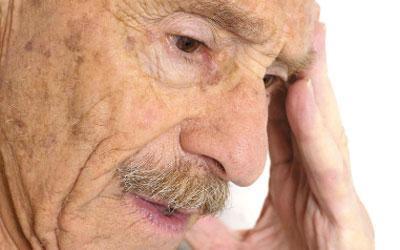
Causes: Age, sunlight or impairment of ovarian function
Group: Middle-aged and elderly, but the onset age has been pushed earlier
Affected areas: Body parts that have the most sun exposure over time
Appearance: Gray, dark brown or black irregular macules or patches on the skin. They are smooth, uniform in color, different in sizes, and with clear edges. Also, spots may fade over time.
The medical term for age spots is seborrheic keratosis which is related to the skin aging process. It is generally believed that the age spot is an early sign of skin aging, indicating that cells have entered the aging stage. As the development of age spots is also related to sun exposure, age spots are commonly found at the body parts that have the most sunlight exposure on middle-aged and elderly people, such as the back of the hands and forehead. It occurs at the epidermal layer, and can also be caused by impairment of ovarian function.
6、 Post-inflammatory hyperpigmentation
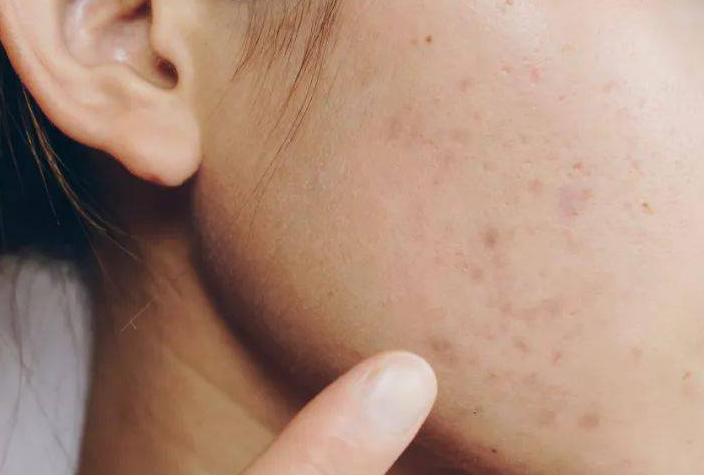
Cause: Darkening of the skin in an area of prior chronic or acute inflammation
Group: Everyone
Affected areas: Areas of prior inflammation
Appearance: Usually light brown, purple-brown to black acne marks
When the skin is damaged, such as acne, infection, sunburn and exposure to irritants, inflammatory factors will increase, causing melanocytes to become active and produce a large amount of melanin. Recurrence of eczema and dermatitis can cause a similar reaction. As acne marks are by-products of pigmentation, they are one of the hyperpigmentations. Newly formed acne marks are red while old acne marks are brown. The longer it stays on the skin, the more difficult it is to eliminate.
Looking for alternative devices or combination treatments?
See our full range of
laser treatments in London.
We also offer a complete selection of
skin treatments in London
including injectables, boosters and tightening procedures.
Treatment
Like treating wrinkles, getting rid of pigmentation is a long term effort and do not expect any quick result. Using cosmetics to treat pigmentation is not the most effective and satisfying. On the contrary, medical beauty treatments offer promising alternatives.
A. PicoSure Laser Pigmentation Treatment
What is PicoSure
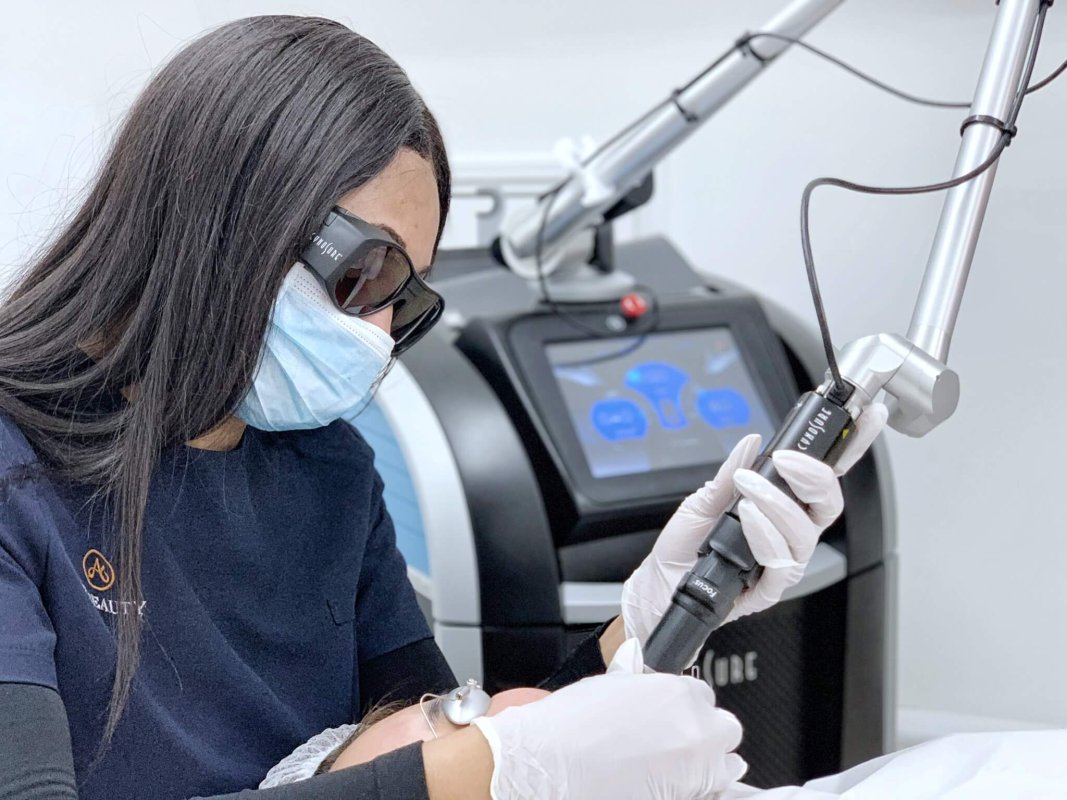
PicoSure is a picosecond laser treatment that can safely and effectively remove tattoos and pigmentation.
B. M22 laser treatment
What is M22:
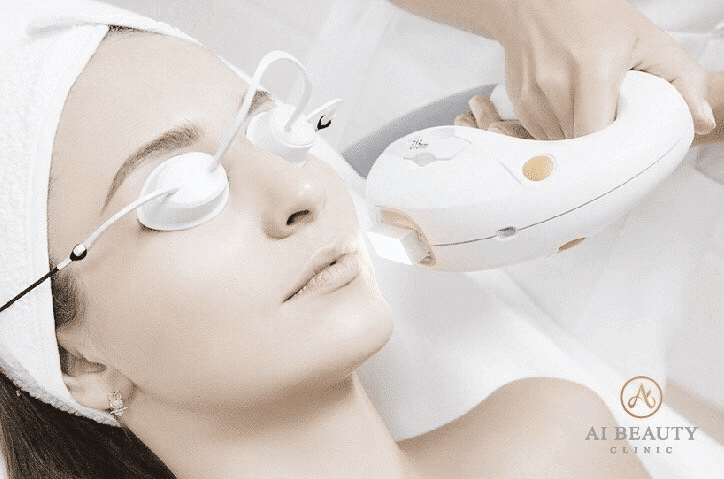
M22 is an innovative photoelectric skin revitalisation instrument jointly developed by Lumenis, Stanford University and Harvard University. It innovatively combines the world leading technologies (OPT technology and fractional non-ablative technology – RESURFX) to effectively treat pigmented lesions
C. Acid Peel
What is acid peel:
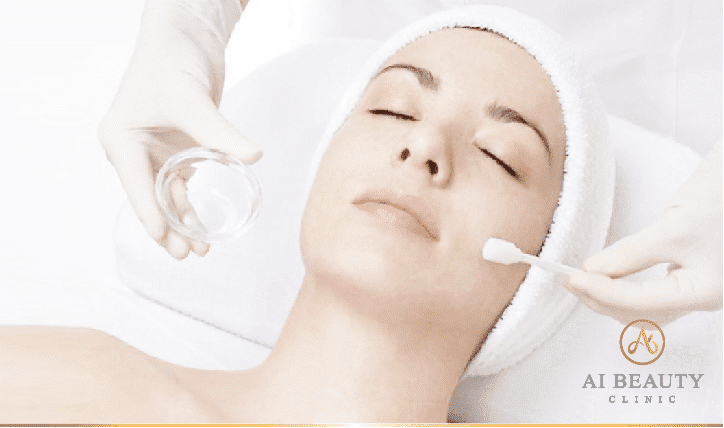
Acid peel is a skin resurfacing procedure involving application of acidic solution on the skin. The acidic solution dissolves the oil particles among cells on the outermost layer of the epidermis and promotes the removal of the outermost layer. It stimulates the renewal of skin cells, promotes the replacement of elastic fibers in the dermis, and maintains the healthy state of the skin.
D. BCN Mesotherapy
What is BCN:
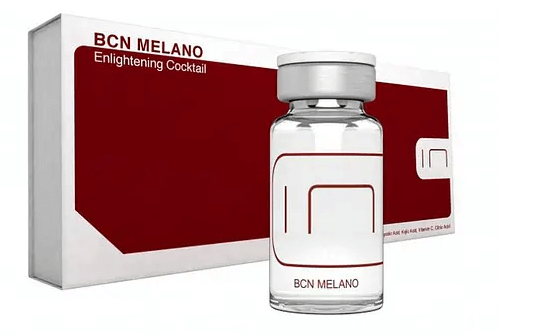
BCN enlightening cocktail (Spanish) is an injection solution that can be used together with mesotherapy. Enlightening cocktail can tackle acne marks and various types of hyperpigmentation such as sunspots, freckles, age spots and pregnancy spots, helping to restore youthful skin
E. Skin whitening drip
What is IV drip:
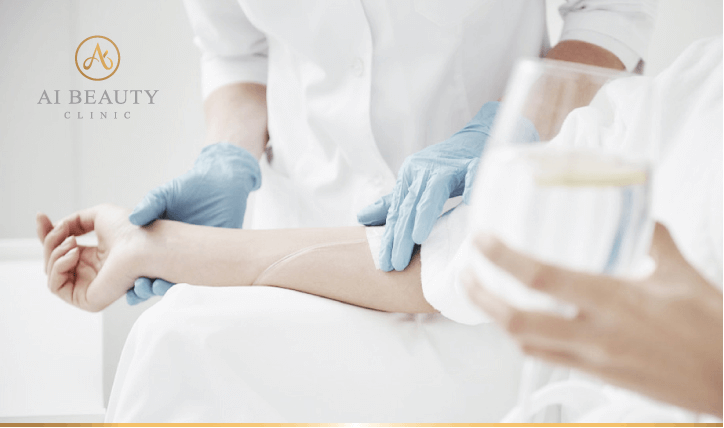
The whitening drip solution will be delivered into the bloodstream by intravenous drip. The nutrients in the solution will travel throughout the body and provide a quick and even whitening effect.
Goodbye to chubby face, come to Ai Beauty Clinic,
for safe and professional medical treatment.
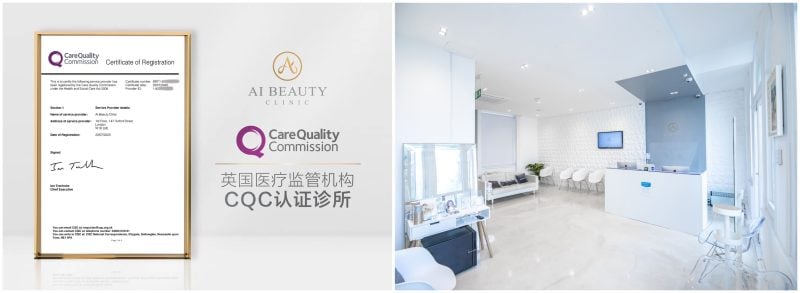
Ai Beauty Clinic is a CQC accredited clinic based in London, and also is strongly supported by Cynosure(the owner of Ulthreapy) and Cynosure (the owner of PicoSure).
With rich experience of treating clients of various conditions, led by a famous British medical chief trainer, practiced by doctors and nurses who are GMC/NMC-registered and worked in NHS national hospitals, Ai Beauty provides certified and safe medical beauty treatments.
Ai Beauty always puts safety first. Not only are all medical staff insured by independent medical policy, each client who comes to Ai Beauty Clinic is also insured by £5 millions medical insurance. This full insurance coverage allows clients to have a concern-free treatment experience.
Ai Beauty Clinic has served over 15,000 clients from all around the world, been covered by some famous media such as European Times and CW Television, and established trust and an excellent reputation among them.