Hyaluronic Acid in Chinese
The term Hyaluronic acid is translated into Chinese as 透明质酸 or 玻璃酸, commonly abbreviated as HA. However, it is more widely known among the public as 玻尿酸 in Chinese. This popular name likely originated from a mistranslation of the suffix “-uronic acid” as “尿酸” (uric acid). Despite the linguistic twist, the term 玻尿酸 has now become a household name in the field of beauty and aesthetic consumption.
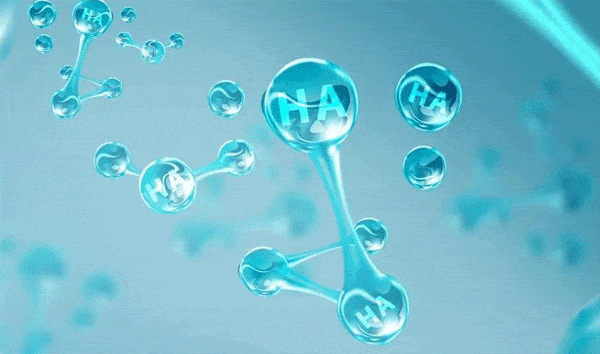
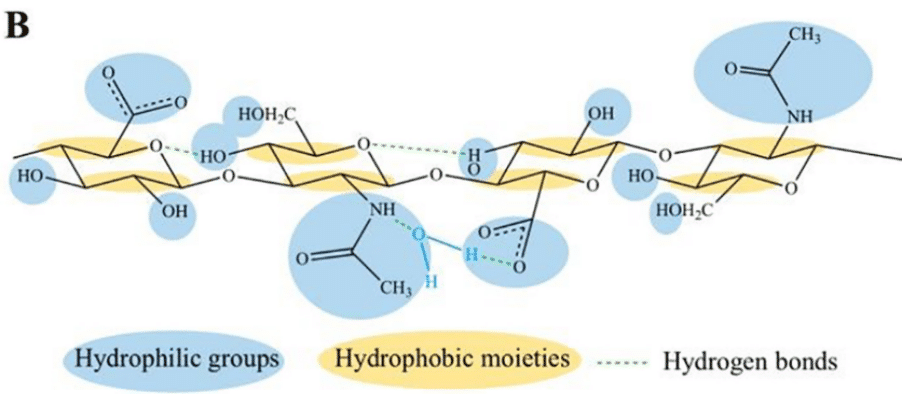
Hyaluronic acid (透明质酸) is a naturally occurring high-molecular-weight polysaccharide composed of repeating disaccharide units of β-1,4-D-glucuronic acid and β-1,3-N-acetylglucosamine. It is widely distributed in both humans and animals, predominantly found in synovial fluid, the vitreous body of the eye, the skin, and the umbilical cord. It is also present in smaller amounts in the blood, muscles, heart, brain, liver, spleen, kidneys, intestines, and other tissues. Due to its excellent water-retention capacity, lubricating properties, viscoelasticity, biodegradability, and biocompatibility, it is considered one of the most ideal moisturizing agents and biomedical materials, with broad applications in medicine, cosmetics, and nutritional supplements.
The discovery, production, and application of Hyaluronic acid span more than a century. Since the 21st century, it has gained immense popularity in medical aesthetics, cosmetics, and functional foods, becoming a viral consumer product. Whether it’s used in aesthetic procedures to rejuvenate the face, in skincare products to delay skin aging, or in health supplements to replenish nutrients and support well-being, 透明质酸 plays a crucial role. Additionally, it is irreplaceable in medical treatments such as osteoarthritis, eye diseases, and postoperative care.
In aesthetic medicine, as in medical treatment, Hyaluronic acid (玻尿酸) is typically administered through injections, which are significantly more effective than topical application. But why do beauty enthusiasts often need repeated HA treatments? The reason lies in the fact that although Hyaluronic acid is harmless to the body, it has a major “bug”: being an endogenous substance, it participates in metabolic processes and is maintained in a state of dynamic balance. An average adult has approximately 15 grams of HA in the body, but about one-third of it is broken down and resynthesized daily due to the activity of hyaluronidase. This metabolic turnover also ensures its safety and encourages more people to try HA injections.
In today’s aesthetic field, Hyaluronic acid has become a top-tier ingredient. From HydraFacial(水光针) to dermal fillers(玻尿酸填充), HA is virtually irreplaceable.
In HydraFacial(水光针) procedures, HA acts as the “ultimate moisturizing factor.” Delivered into the dermis via mesotherapy, it deeply hydrates the skin, smooths fine lines, and restores elasticity. HA’s exceptional water-binding and lubricating capacity comes from its molecular structure. As a biopolymer, HA is rich in hydrophilic groups that form hydrogen bonds with water molecules, allowing it to retain substantial moisture. The molecular weight of HA depends on the number of repeating units—from a few hundred thousand to tens of millions. The larger the molecule, the more hydrophilic structures it contains, and the stronger its water-binding ability. Interestingly, the chemical structure of each HA monomer remains the same regardless of size, making it highly conserved and non-allergenic, which paved the way for its extensive use in facial fillers.
In dermal fillers, purified Hyaluronic acid is injected into the skin where it integrates with the body’s own HA, causing the skin to plump up and wrinkles to smooth out. This enhances facial fullness, softness, and dimension while sculpting sharper facial contours—with exceptionally high safety. HA is often called “God’s Clay” in aesthetics for its versatility. Whether enhancing temples, cheekbones, forehead, or chin, HA can provide both deep structural support and superficial wrinkle correction—with instant results.
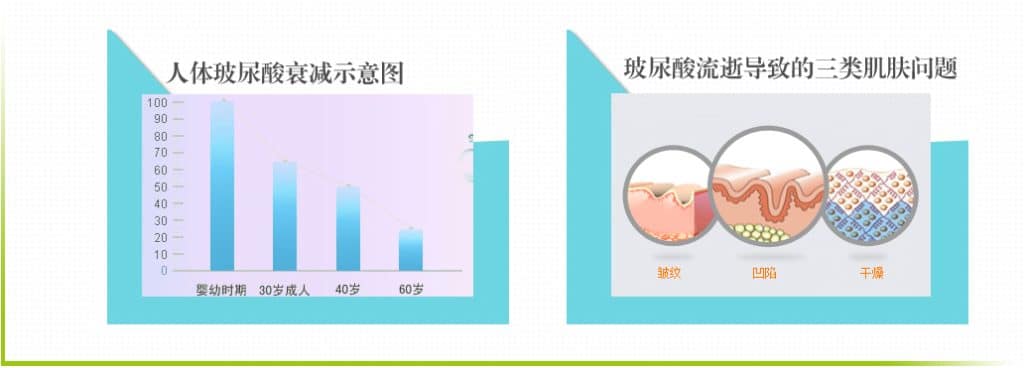
Many East Asians face common concerns due to congenital facial flatness, retruded chins, and lower nasal bridges. With age-related collagen loss, facial sagging and aging signs appear earlier. A precise injection of 玻尿酸/Hyaluronic acid can do more than just minor tweaks—it can reshape the face, fill in wrinkles, enhance features, and even boost one’s overall energy and expression. This helps explain why China has become one of the largest consumers of HA products in the world.
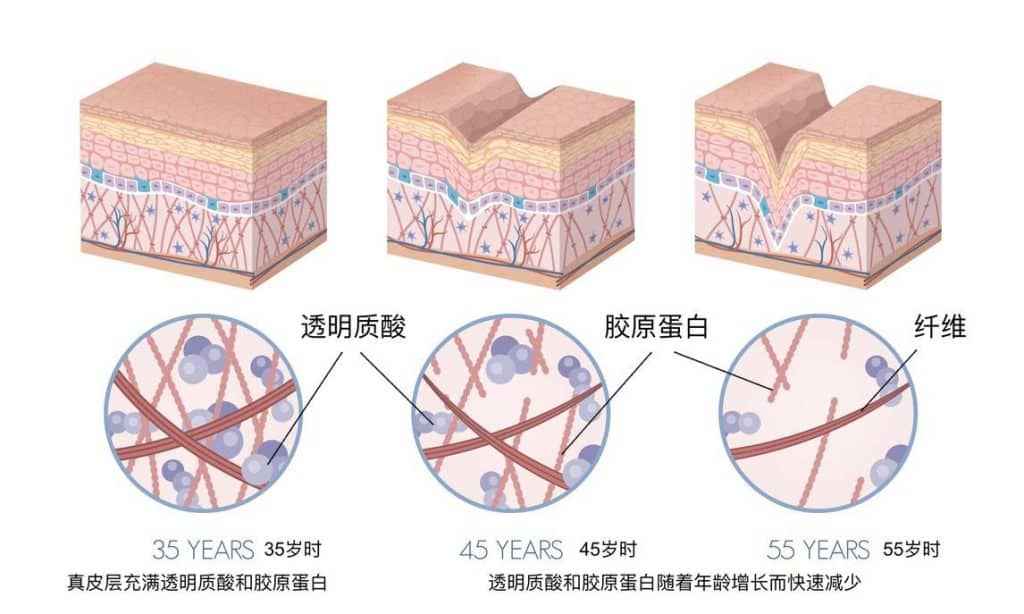
In London, Hyaluronic acid fillers are performed only after a professional facial assessment. Based on individual needs, practitioners determine injection points, depth, and volume, tailoring the treatment to the shape of the chin, nose bridge, cheekbones, or lips. Results must balance aesthetic outcome with medical precision. The longevity of HA fillers varies—from 6 months to over a year, depending on molecular weight, crosslinking technology, and other formulation factors. Choosing the right filler also depends on your facial anatomy and skin condition.
To avoid the pitfalls of aesthetic mismatches between Eastern and Western beauty standards, it is highly recommended to seek out Asian medical aesthetic institutions.
Ai Beauty Clinic is the largest comprehensive Asian medical aesthetic institution in the UK, and the first Asian clinic to be registered and certified by the UK’s Care Quality Commission (CQC). With a commitment to Asian aestheticsand rich experience with Asian clients, Ai Beauty excels in facial contouring and skin treatments. It has become the go-to clinic for many overseas Chinese and Asian clients seeking professional, customized care in the UK.