Pimples
From blackheads to acne outbreak, from acne scars to acne pits. No one likes any imperfections on their face. However, acne nearly comes across to everyone at some point during their lives. Apart from putting on acne cream, how aesthetic treatments can help us to fight this battle?
What is pimples
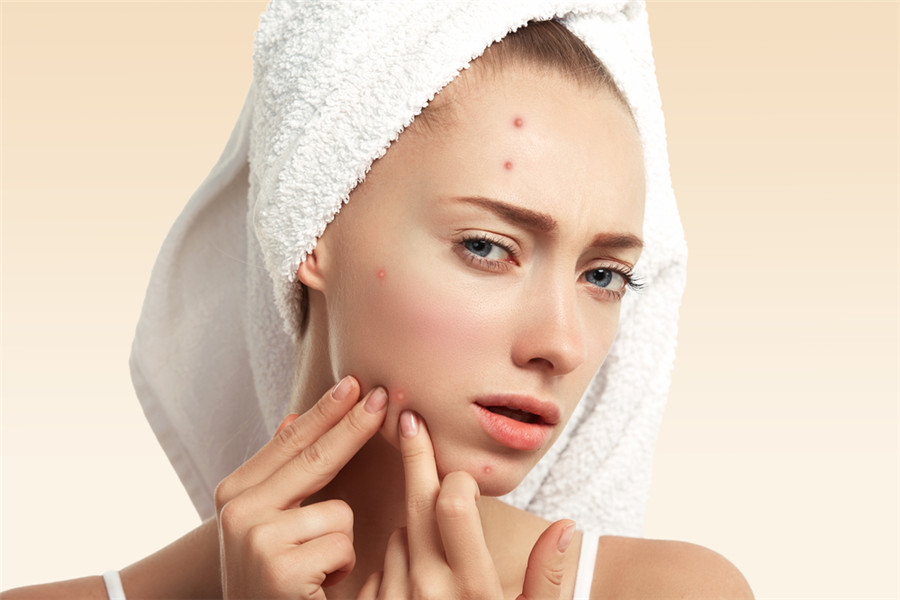
Pimples and acne are often used together. But strictly speaking, acne is a disease condition while pimples are a symptom of acne. Therefore, when you are suffering the acne problem, you may find pimples on your face.
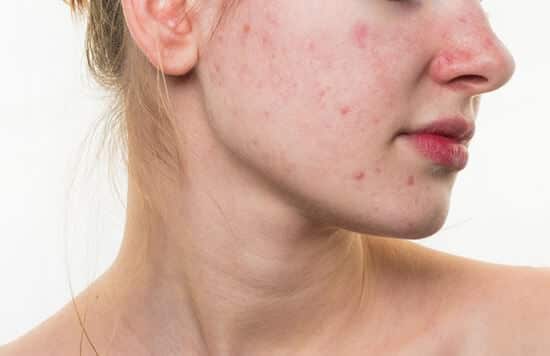
There are many types of acne such as comedonal acne, baby acne, drug-induced acne, acne breakouts, etc. However, the most known acne must be adolescent acne. Adolescent acne occurs mainly in teenagers during their puberty as their male hormonal level is high.
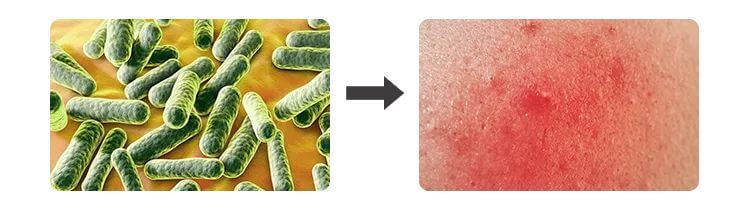
Pimples develop over a course of events. It starts from the over-secretion of sebum from the sebaceous gland, the clogging of pore by sebum/dead skin cells, growth of acne-causing bacteria at the pore to the inflammation of the pore. It can result in different types of pimples such as papules, pustules, cysts, nodules, comedones, etc. Pimples are commonly related to any change of skin surface such as redness, bump, blood, pus, etc, however, comedone in fact is also a type of pimple.
Causes
Generally speaking, the formation of pimples starts from the soar of secretion of sex hormone during puberty and the subsequent induced excessive production of sebum. The opening of the hair follicle gets narrower due to the accumulation of sebum; therefore, the sebum cannot reach the surface of the skin and get trapped in the follicle, forming a comedone. When the comedone is in contact with bacteria and becomes infected. Therefore, excessive sebum secretion, clogged follicle, bacteria infection and inflammation are the factors of an acne breakout.
Some other factors for an acne breakout:
1. Hormonal change: Mainly due to the increased secretion of male sex hormone as it boosts the secretion of sebum. Women during and before their period are affected by the change in their oestrogen level, which leads to the tendency of forming pimples. This period-related pimples will disappear after the period.
2. Food and weather: Some diet preferences and weather conditions may be prone to pimples formation: peanuts, chocolate, deep-fried food, sun radiation, hot weather, constipation problem, poor digestion, etc.
3. Tiredness: Overwork, inadequate sleep, and emotional change such as stress and anxiety can affect the hormonal change.
4. Chemicals and makeup residue: Sometimes, our skin gets irritated by things it comes in contact with and pimples develop. Some examples of irritants are adrenal corticosteroids (internal or external usage), some chemicals existing in cosmetics products, industrial oils, polychlorinated biphenyls, some anti-tuberculosis drugs, etc..
Symptoms
●Types of pimple:
Comedones
Comedone can be either closed or open. Closed comedone is also referred to as whitehead, with closed opening of follicle and is not easy to squeeze out. Open comedone is, on the other hand, known as blackhead, with an open follicle and can be squeezed out.
Papules
pimples become infested, appearing as inflammatory papules and blackheads.
Pustules
Infected pimples that contain pus.
Cysts
Infected pimples that contain pus and blood. It may result in atrophic scars and scars.
Nodules
An untreated cyst can develop into nodules in different sizes with thick skin, located under or above the skin surface. They appear pale red or dark red and have a hard texture.
Atrophic pimple
Atrophic pimple occurs when papules or cysts damage the glands and form indented atrophic scars.
Aggregate pimples
A group of pimples appears on the skin, appearing in red, green and purple colour.
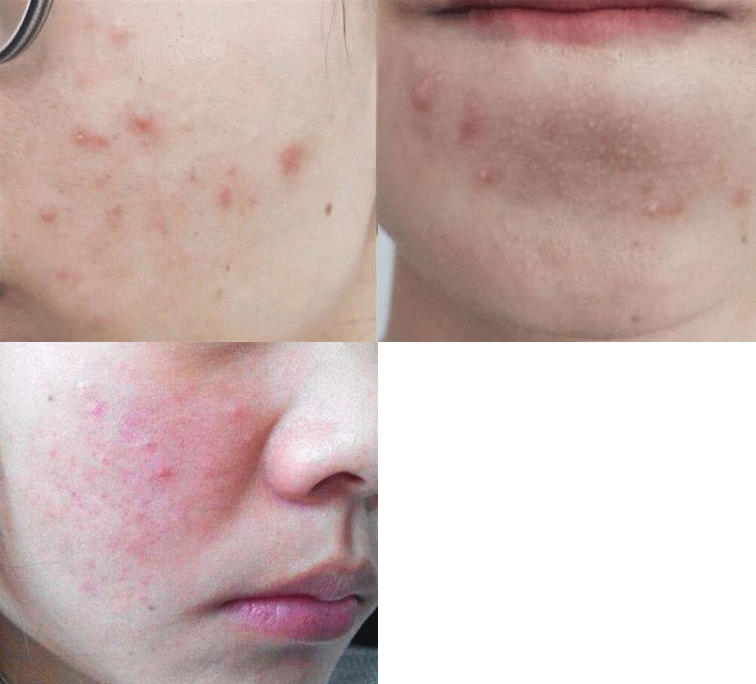
Microcomedone: Microcomedone is an early stage of the formation of pimples. It looks normal from the outside, however, there is abnormal formation of keratin on the skin surface and substances build-up in the pore, which leads to a narrower hair follicle and substance being trapped in the pore.
Comedones: As the pore becomes smaller and narrower, more sebum produced from the gland is trapped and being built up in the pore. Microcomedone becomes comedone that is visible from the outside.
Blackhead/Open Comedone: A comedone has an opening of the hair follicle to the skin. It contains sebaceous filament in the pore that can be squeezed out.
Whitehead/Closed Comedone: Whitehead occurs when the pore is clogged and sebum is built up in the pore. It may go away naturally or develop into papules when infected.
Inflammatory Pustules: As the sebum from the sebaceous gland and dead skin cells build up in the pore, they put pressure on the sebaceous gland, leading to the gland’s rupture and formation of inflammatory pustules. In a mild condition, the pustule will rupture and the pus will leak out. The pimples will eventually heal without the formation of scar.
Papules: However, in the severe scenario of inflammatory pustule, the skin around the pimples will appear red and hard papules, likely developing into nodules, cysts, sinuses, and fistulas. The healing of this type of pustule will result in scars formation.
Affected people
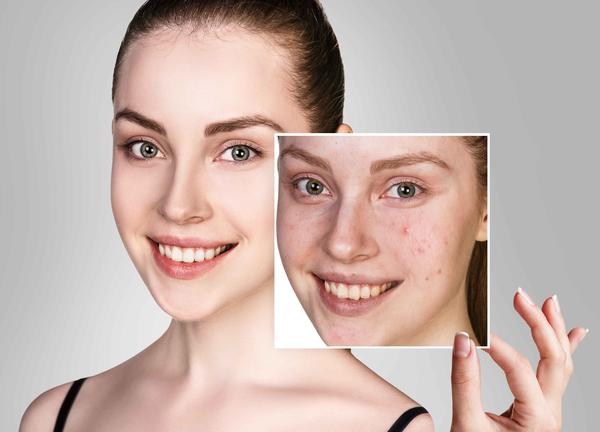
Since the formation of pimples is linked to the increased secretion of male hormones, teenagers during their puberty regardless of their genders tend to suffer from adolescent acne. Adolescent acne usually lasts for 5 to 8 years. Sometimes, adults encounter the acne problem only until later, in their 20s-40s, it is called adult acne.
Treatment
A. Mesotherapy
What is Mesotherapy:
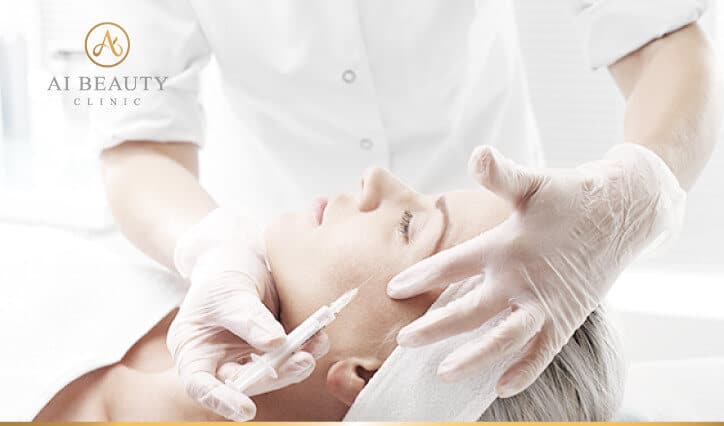
Our skin faces damage everyday, like photodamage, pollution and the natural aging process. Mesotherapy can be a regular skin rejuvenation treatment that helps maintain our skin in a good condition in the long run. It is a non-surgical treatment that injects solution with various vital nutrients to our skin directly.
B. Acid Peel
What is acid peel:
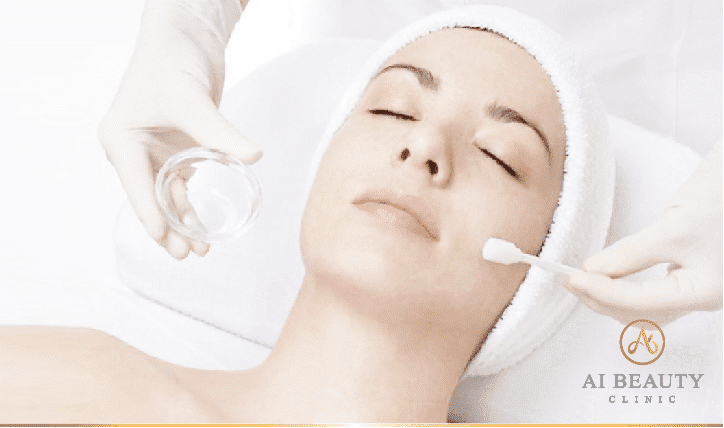
Acid peel is a skin resurfacing procedure involving application of acidic solution on the skin. The acidic solution dissolves the oil particles among cells on the outermost layer of the epidermis and promotes the removal of the outermost layer.
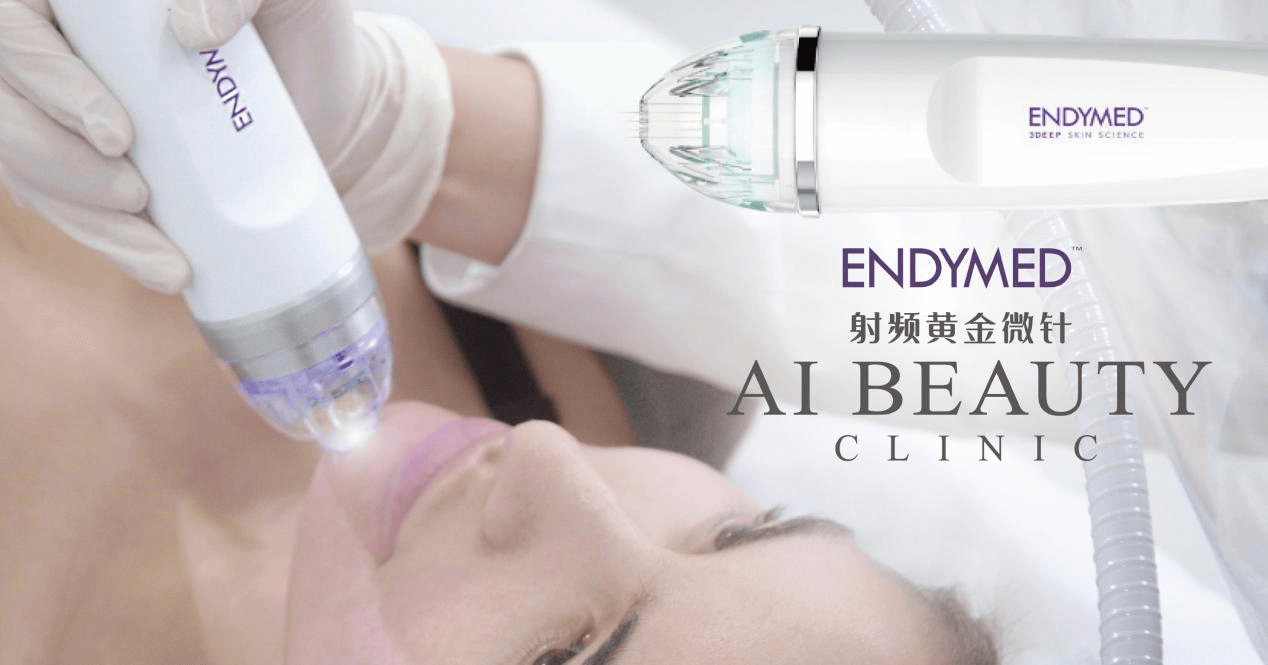
C. Radiofrequency (RF) Microneedling
What is Radiofrequency (RF) Microneedling:
Radiofrequency (RF) Microneedling is an innovative technology integrating matrix application, microneedling, and radio frequency technology. During the treatment, a device with fine needles creates tiny punctures in the skin.
D.Platelet-rich plasma (PRP) Treatment
What is Platelet-rich plasma (PRP) Treatment :
A Platelet Rich Plasma (PRP) treatment, also known as the “Vampire face-lift”, is an advanced treatment for skin rejuvenation purposes.
E. Hydrafacial
What is Hydrafacial:
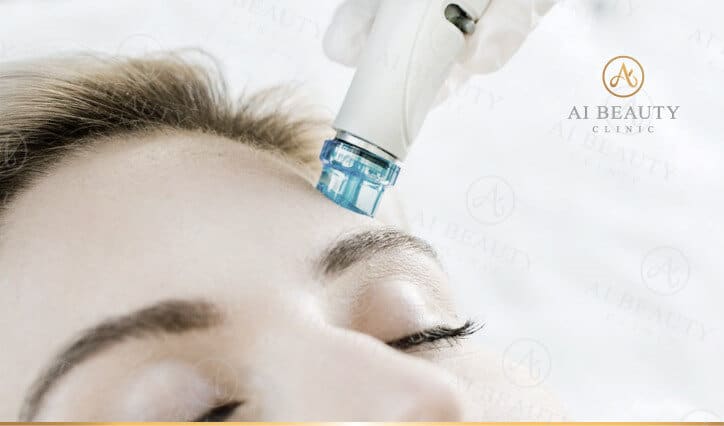
HydraFacial is a patented skincare treatment developed by an American skincare company, HYDRAFACIAL. This FDA, CE and CSA approved device was designed to promote the health of skin and to restore skin barrier rapidly.
Remove Pimples, come to Ai Beauty Clinic,
for safe and professional medical treatment.
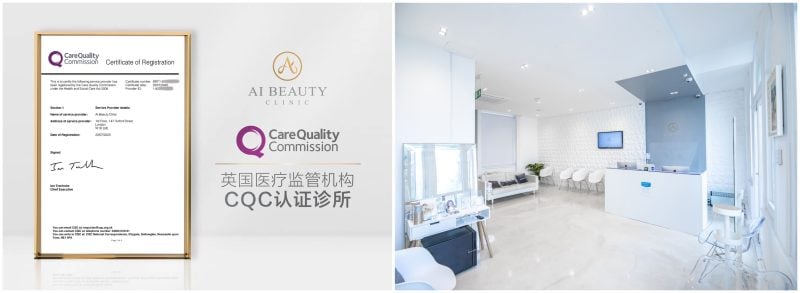
Ai Beauty Clinic is a CQC accredited clinic based in London, and also is strongly supported by Cynosure(the owner of Ulthreapy) and Cynosure (the owner of PicoSure).
With rich experience of treating clients of various conditions, led by a famous British medical chief trainer, practiced by doctors and nurses who are GMC/NMC-registered and worked in NHS national hospitals, Ai Beauty provides certified and safe medical beauty treatments.
Ai Beauty always puts safety first. Not only are all medical staff insured by independent medical policy, each client who comes to Ai Beauty Clinic is also insured by £5 millions medical insurance. This full insurance coverage allows clients to have a concern-free treatment experience.
Ai Beauty Clinic has served over 15,000 clients from all around the world, been covered by some famous media such as European Times and CW Television, and established trust and an excellent reputation among them.