How to Say “鼻子塌” (Flat Nose) or “山根低” (Low Nasal Root) in English?
The nose is the centerpiece of facial features, and its appearance often plays a decisive role in one’s overall attractiveness. In everyday life, many people are concerned about having a flat nose or low nasal root. So how do we express these concerns in English, especially in the UK?
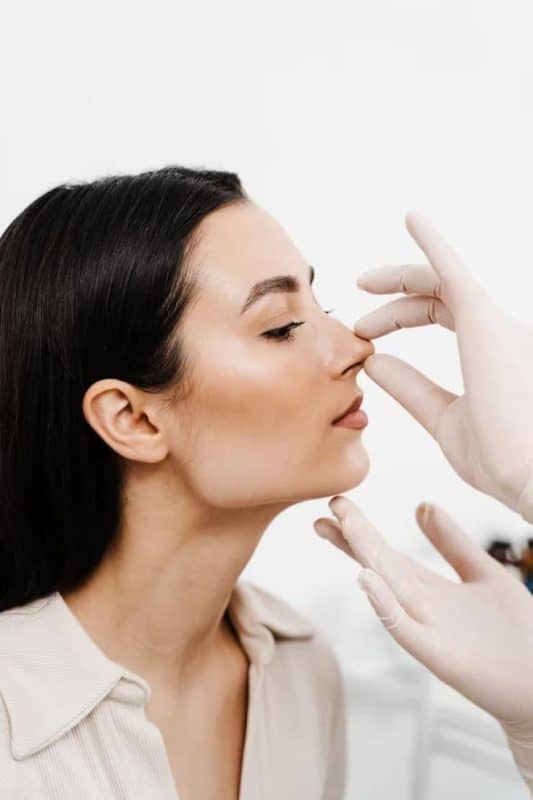
The nose (鼻子) consists of several parts: the nasal root (山根), nasal bridge (鼻背), nasal tip (鼻头/鼻尖), and wing of the nose (鼻翼). A flat nose (塌鼻子) is usually affected by the first three structures—particularly the nasal root and nasal bridge. When these two are low, the nose often appears flat overall. Many people struggle to distinguish between the nasal root and the nasal bridge. In fact, the nasal root refers to the point between the inner corners of the eyes, and everything below that is the nasal bridge.
When describing the height of the nasal bridge, we typically use “high” or “low.” For example:
-
High nose bridge (高鼻梁)
-
Low nose bridge (塌鼻梁)
If you compare typical facial features of Eastern and Western populations, flat noses are much less common among Europeans, but quite prevalent among Asians. This is considered a common facial feature (先天性失调, common facial features) among East Asians, meaning it is mostly congenital and part of our natural facial structure. Therefore, to improve a flat nose, we usually turn to modern aesthetic procedures (aesthetic medicine) as a way to enhance what we were born with.
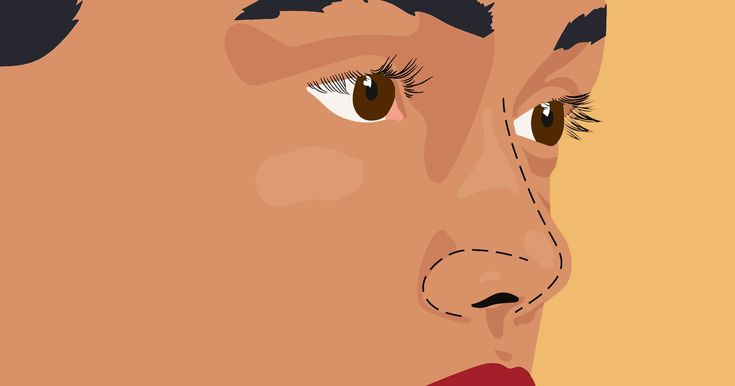
Among the most common aesthetic treatments (aesthetic medicine projects) for improving a flat nose are:
-
Hyaluronic acid dermal filler (玻尿酸填充)
-
Nose thread lift (线雕隆鼻)
-
Rhinoplasty (手术隆鼻)
Among these, rhinoplasty carries the highest risk as it is a type of surgical procedure (美容手术, surgical procedures), which involves placing implants or cartilage into the nasal root and bridge to artificially increase nasal height. While the results can be dramatic, the potential risks of rejection and infection must be carefully considered.
In contrast, hyaluronic acid filler and nose thread lift are both considered non-surgical procedures (非手术微整项目, non-surgical procedures), which come with shorter recovery times and significantly lower risks.
-
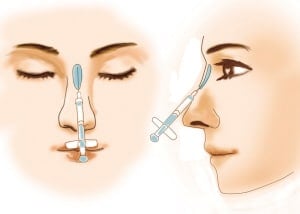
Hyaluronic acid (HA) (玻尿酸) is used to fill and lift the nasal bridge.
-
PDO (Polydioxanone) protein threads (蛋白线) are inserted to support and shape the nose.
In the UK, due to cultural differences in aesthetic preferences and the relative lack of experience in reshaping Asian noses, those seeking a satisfactory and safe solution for flat noses are strongly encouraged to visit professional clinics that specialize in Asian aesthetics, such as Ai Beauty Clinic in London. Not only will you avoid language barriers, but you’ll also benefit from experienced medical professionals with a deep understanding of Asian facial harmony. Why not choose the best of both worlds?