How to Say “下巴后缩/下巴短小/嘴凸” in English?
Among the three facial thirds, the lower third is often the most overlooked part of the face, as it’s more difficult to enhance through hairstyles or makeup. The most significant feature in this area is the naturally developed chin. A closer look reveals that the chin plays a crucial role in shaping facial proportions and contours. A well-shaped chin is often the key to enhancing the aesthetics of the lower third of the face.
So, if you’re in the UK and struggling with chin-related concerns, how should you express them in English?
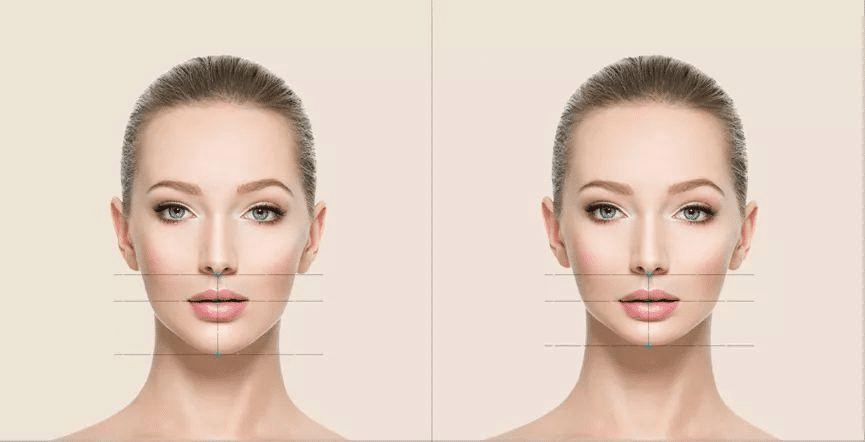
As we all know, the chin is referred to as the “chin” in English. Two of the most common aesthetic imperfections involving the chin are:
-
Receding chin or weak chin — where the chin slopes backward, creating a less defined profile.
-
Short chin — where the chin is small and lacks projection.
These conditions can make the face appear shorter and flatter, with a disproportionate lower third, often making the face look wider and rounder, lacking definition. Moreover, a diminished chin can make a protruding mouth more noticeable, significantly affecting both the frontal and side profile appearance.
What does an ideal chin look like?
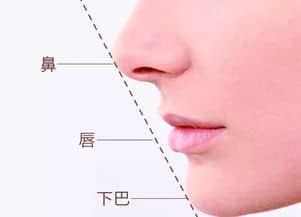
From a profile view, the chin should not fall behind the mouth. An aesthetically pleasing chin typically aligns with the tip of the nose and the lip tubercles, forming a straight vertical line known as the E-line. Additionally, an attractive chin usually has a sharper angle, sloping downwards at approximately 45 degrees, creating a defined groove or “beauty dimple” between the lower lip and the chin.
Unfortunately, much like the nose, a receding or short chin is often a common genetic trait among Asians. It is usually congenital, and to truly improve the proportions of the lower face and achieve a more attractive chin, aesthetic medicineoffers the most effective and accessible solutions today.
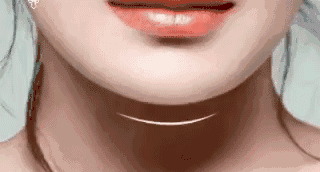
Chin contouring has become a well-established procedure in the field of aesthetic treatments, and there are generally two popular options:
-
Chin implants, which are surgical procedures offering long-lasting results but involve higher risks, making many people hesitant to try them.
-
Hyaluronic acid dermal fillers, which are more mainstream and widely preferred. This non-surgical option involves injecting high molecular weight hyaluronic acid into the recessed area of the chin to naturally restore volume and shape. It is highly customizable to individual facial structures and offers high operability with minimal risk—an appealing solution for anyone dealing with a receding or short chin.
If you’re in the UK, the one thing you might need to be cautious about is the aesthetic sense of the injector. Eastern and Western beauty standards can differ significantly. Therefore, if you’re aiming for a naturally contoured and well-balanced chin in just one session, it’s best to choose an Asian aesthetic clinic like Ai Beauty Clinic. Consulting with a practitioner experienced in treating Asian features is often the safest and most effective approach.