
Intense Pulsed Light (IPL) photorejuvenation has emerged in recent years as a non-ablative, cutting-edge treatment for photoaging of the skin. It not only helps improve wrinkles and pigmentation, but also whitens and rejuvenates the skin, shrinks pores, and has become a popular entry-level option for those new to medical skincare due to its safety and effectiveness. But for a treatment that seems so versatile, are there any potential side effects? Let’s take a closer look.
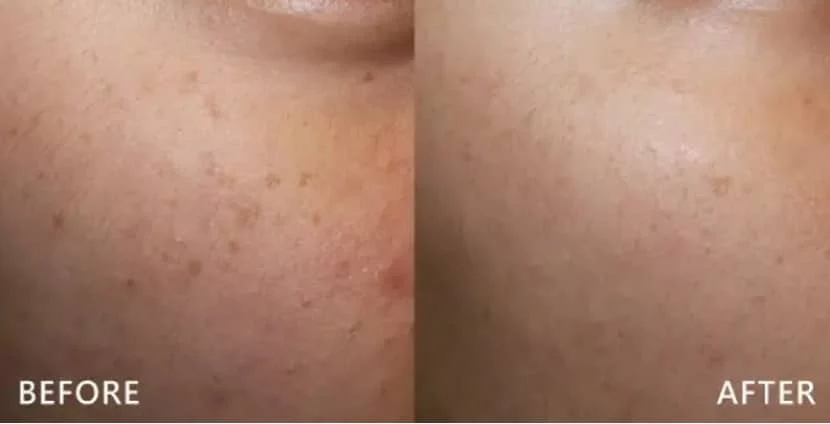
IPL photorejuvenation uses a specific spectrum of intense pulsed light to directly irradiate the skin. It penetrates the dermis and selectively targets pigment and blood vessels, breaking down melanin and sealing abnormal capillaries. At the same time, it induces chemical changes in the molecular structure of dermal collagen and elastin fibers. This allows the treatment to improve surface imperfections, enhance skin elasticity, tone, and smoothness—achieving visible results in whitening, rejuvenation, wrinkle reduction, and pore tightening.
Although IPL is considered a relatively safe and beginner-friendly aesthetic procedure, it is still a form of medical aesthetic treatment, and thus carries certain risks of side effects.
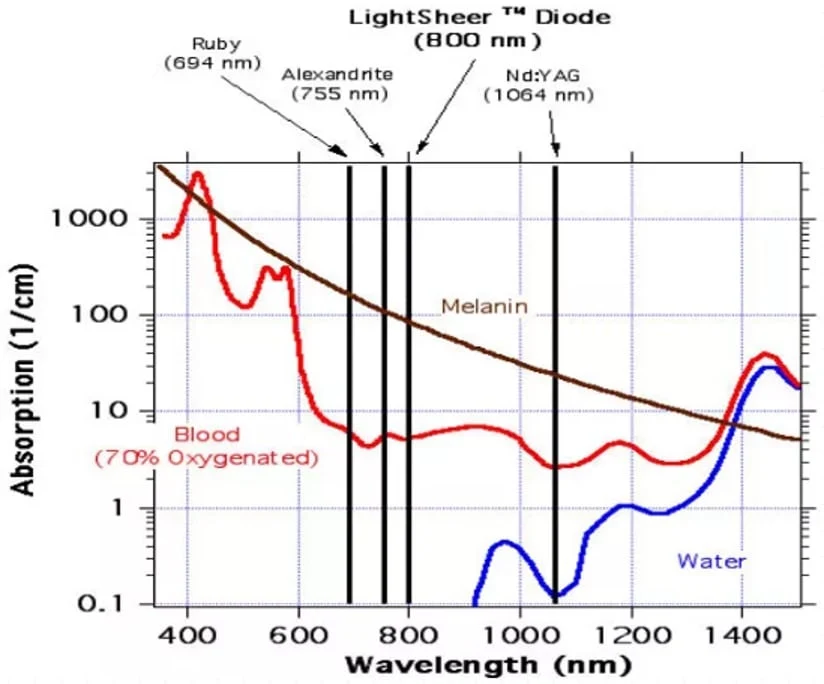
1. Skin Burns
If the energy setting used during IPL treatment is too high, it can cause burns or scalding. This is considered a serious adverse event and often occurs when unlicensed or unregulated devices are used, or due to improper operation by unqualified personnel. In severe cases, it may even lead to wound infection or disfigurement.
2. Redness and Swelling
Post-treatment, the skin often becomes extremely sensitive. This is primarily because the heat generated during treatment evaporates moisture in the skin and temporarily disturbs the skin barrier. As a result, symptoms like itching, redness, swelling, and peeling may occur. The degree and duration vary from person to person—people with darker skin tones may experience more noticeable redness. However, these are generally normal post-treatment reactions. Reputable clinics will provide proper post-treatment care and guidance. As long as you stay hydrated and keep the skin moisturized, the redness and swelling should gradually subside.
3. Scabbing
Unlike picosecond laser treatments, IPL is typically non-invasive and does not usually cause scabbing. However, when treating vascular issues such as port-wine stains or red acne marks, some degree of scabbing may occur—similar to mild sunburn. In such cases, it’s important to follow your doctor’s post-treatment instructions carefully. Most people will see the scabs fall off and the skin heal within about a week.
4. Hyperpigmentation
Hyperpigmentation is a common risk with laser-based aesthetic treatments, though the incidence for IPL is relatively low—around 2% to 5%. Still, the risk exists. Improper or unregulated IPL treatment can damage skin cells and impair the skin’s ability to repair and protect itself. Instead of achieving whitening and rejuvenation, it may lead to darkened pigmentation or worsened spots. In severe cases, further medical treatments or topical medications may be needed to correct it. This is why it is crucial to choose certified and regulated IPL devices for treatment.
5. Damage to the Stratum Corneum
Certified IPL devices are designed to bypass the skin’s surface and act directly on the deeper layers with stable and precise energy. However, counterfeit or substandard machines may cause uneven heating during treatment, potentially damaging the skin tissue. When the skin’s stratum corneum is compromised, it loses its protective barrier, resulting in faster moisture and nutrient loss, imbalance in skin condition, accelerated aging, and the opposite of the desired effect.
6. Post-treatment Pigmentation Rebound
There have also been cases of pigmentation rebounding after IPL, where the treated spots come back even larger. This is often linked to the use of uncertified devices or poor post-treatment care. Inadequate energy or excessive damage from unregulated machines can worsen pigmentation. Likewise, lack of sun protection or hydration post-treatment can affect results.
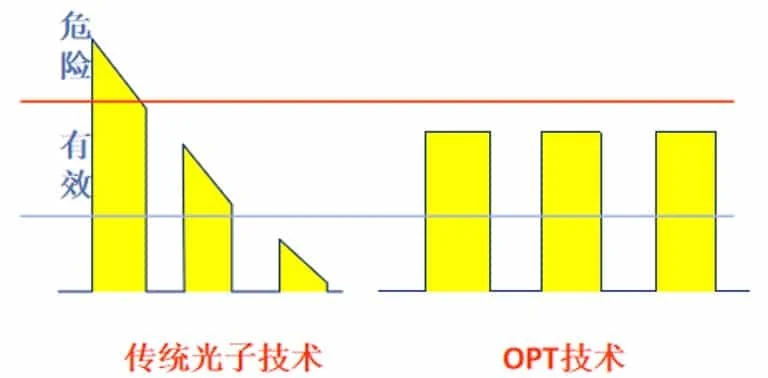
A common misconception is that IPL makes the skin thinner. In fact, the opposite is true. Like tree bark, skin continually regenerates. As long as a certified medical-grade device is used, the photothermal stimulation from IPL does not damage the skin. Instead, it promotes collagen regeneration and strengthens the dermis, making the skin thicker and more resilient over time.