If you’re someone with acne-prone skin, you’ve likely encountered the term Peeling in your skincare routine. In Chinese, Peeling typically refers to the process of chemical exfoliation, commonly known as “刷酸” (literally “acid brushing”). This involves removing dead skin cells, unclogging pores, and smoothing the skin’s surface—essentially “polishing” the skin using acids.
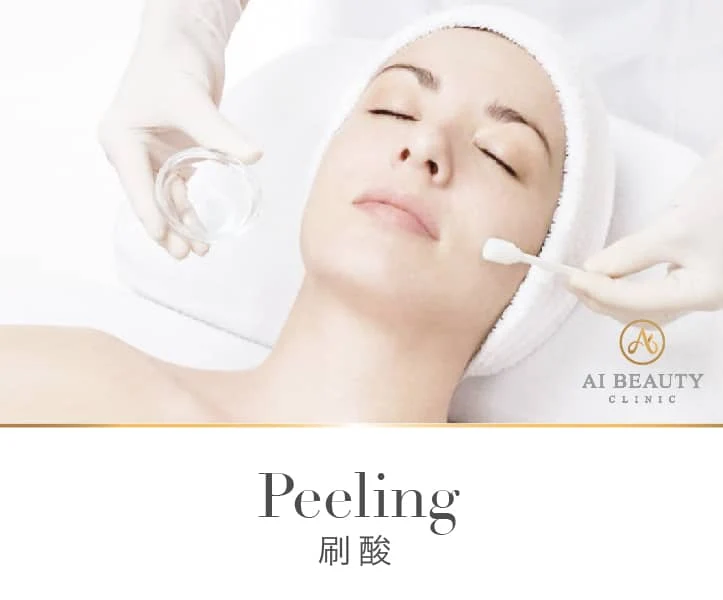
In professional skin treatments, Peeling is often translated as “刷酸” in Chinese, which encompasses procedures such as AHA peels (果酸焕肤) and Lactic Acid Peels (牛奶酸焕肤). These treatments are especially familiar to those who frequently deal with closed comedones or persistent acne. The core principle of Peeling is applying acids at certain concentrations to dissolve the lipids between keratinocytes, encouraging the shedding of old skin and accelerating the regeneration of both the stratum corneum and upper epidermal cells. This boosts skin metabolism, promotes the proliferation of elastic fibers in the dermis, and restores skin health and clarity.
The benefits of Peeling go far beyond just exfoliation. It can brighten the complexion, fade acne marks, refine pores, smooth fine lines, and even help with blackhead removal, acne treatment, and melasma. Whether done professionally or at home, the mechanism is largely the same—acids stimulate collagen fiber production and restructuring in the dermis, increasing the dermal matrix and resulting in smoother, more elastic skin. Many who incorporate regular Peeling into their routine often describe their skin as “polished,” with visibly reduced texture and oiliness. That’s why Peeling isn’t limited to facial care—people also use it on areas like the chest and back where acne tends to develop. As long as there are no viral infections like herpes or warts, no open wounds, and no recent surgeries or active eczema, most people can safely receive acid-based resurfacing treatments.
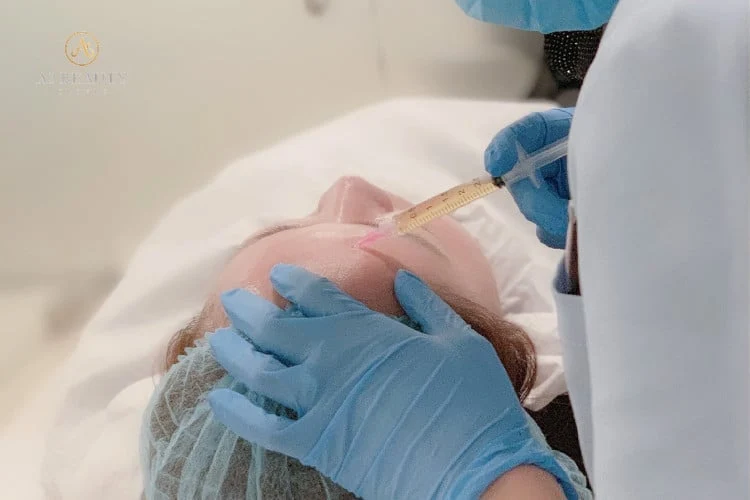
There are various types and concentrations of acids used in Peeling. Common ones include AHAs (Alpha Hydroxy Acids) like glycolic acid, lactic acid, malic acid, and citric acid—all water-soluble acids that loosen the bonds between skin cells to remove keratin while promoting melanin discharge. These acids help brighten and even out the skin tone and are generally mild, making them popular in skincare.
Then there’s Salicylic Acid (水杨酸)—the powerhouse acid for acne-prone skin. Almost anyone who has dealt with breakouts has heard of it. Unlike AHAs, salicylic acid is lipid-soluble, meaning it can penetrate pores more effectively to dissolve sebum, reduce inflammation, and inhibit bacterial growth. Its effective concentration ranges from 1% to 2%, and the higher the concentration, the stronger its exfoliating power and the greater its potential for irritation. Therefore, salicylic acid is not recommended for beginners or those unfamiliar with acid use.
Another increasingly popular acid is Azelaic Acid (壬二酸), especially in Chinese domestic skincare brands. It focuses on antibacterial action and is suitable for pus-filled or inflamed acne. It helps regulate keratinization, control oil production, and fight anaerobic acne-causing bacteria (Propionibacterium acnes). Azelaic acid is particularly effective against red, inflamed pimples and stubborn post-acne marks.
Different skin types and levels of tolerance require different acids. For daily use, lower-concentration lactic or glycolic acid is typically preferred. However, misuse can lead to skin damage—some people find that their skin worsens with improper Peeling. That’s why for beginners, it’s best to visit professional clinics or medical institutions. As a professional skincare treatment, a proper Peeling session should always begin with a skin assessment to determine suitability and rule out any contraindications (like sensitive skin). The choice of acid, its concentration, and the method of application should be administered by licensed professionals. Otherwise, there’s a risk of chemical burns (just like sulfuric acid), leading to sensitivity, hyperpigmentation, or even scarring. High-concentration chemical peels should never be attempted at home.
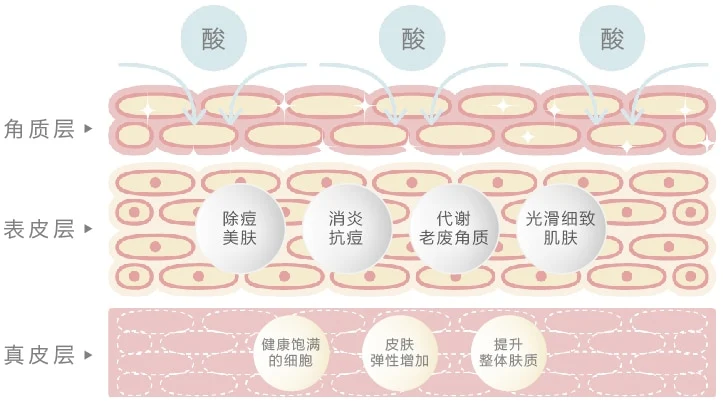
When performed by professionals, Peeling aims to resurface the skin, but it must be done under conditions of skin tolerance. Peeling works on multiple skin layers:
-
Stratum corneum: Loosens desmosomes (the glue between cells), removing excess keratin buildup, unclogging follicles, and preventing blockages.
-
Epidermis: Activates skin metabolism, reduces superficial fine lines and wrinkles, and restores youthful appearance.
-
Dermis: Stimulates collagen fiber production and reorganization, increases dermal matrix, improves elasticity and firmness, enhances glycosaminoglycan synthesis, and promotes hydration.
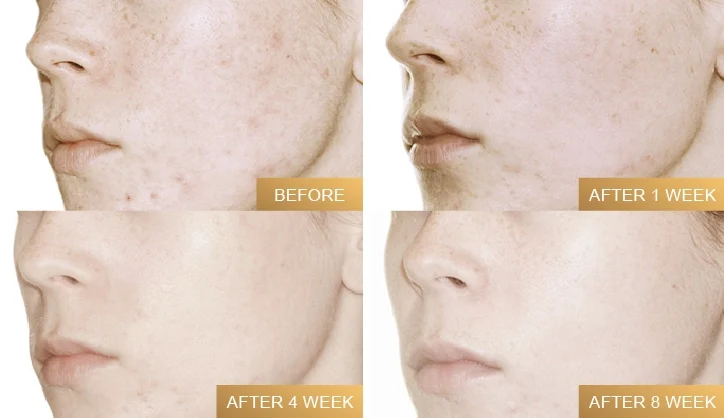
As a result, the skin becomes smoother, more supple, and hydrated. Even with the rise of laser-based treatments in aesthetic medicine, Peeling—particularly AHA-based resurfacing—retains its unique advantages, offering comprehensive skin rejuvenation that goes beyond simple hydration or acne control.
Some may ask: Does Peeling make the skin thinner over time?
It can, temporarily. After Peeling, the skin might feel more fragile and sensitive. That’s why hydration, sun protection, and anti-sensitivity care are crucial post-treatment. However, the skin has a natural 28-day regeneration cycle, and chemical exfoliation encourages the growth of healthy, pigment-free epidermis and collagen regeneration in the dermis. Once the repair phase completes, the skin can actually become thicker and more resilient. That’s why many people who complete a full course of AHA treatment find their skin is less prone to breakouts afterward.
In summary, it’s best not to DIY Peeling at home without proper guidance. If you’re in the UK and interested in Peeling, you can safely choose a certified clinic like Ai Beauty Clinic in London, which is regulated by the CQC (Care Quality Commission). You’ll get professional results and peace of mind—all for the price of a nice meal.