As time goes by, our skin inevitably undergoes changes. While these changes can appear in various areas of the face, perhaps the most noticeable is the nasolabial folds(鼻唇沟), also commonly known in Chinese as “法令纹”, a term that reflects the “stern lines” of aging.
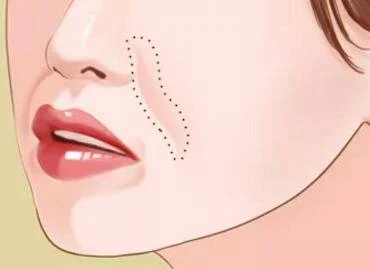
Literally translated, nasolabial folds means “nose-to-lip grooves” in Chinese. Anatomically, these refer to the two skin creases that run from each side of the nose to the corners of the mouth. With age, these “smile lines” become increasingly pronounced, eventually turning into one of the most visible signs of facial aging—法令纹. In aesthetic medicine, when you see the term nasolabial folds, it generally refers to treatment aimed at improving the appearance of these lines.
The nasolabial folds, also known as marionette lines or “八字纹” in Chinese, form along the junction between the nose, cheeks, and upper lip, curving downward and outward until they fade beneath the corners of the mouth. Once they appear, they stand out prominently in the mid-face region, making it hard to maintain a youthful look.
Because nasolabial folds are a result of multiple factors, their causes are relatively complex. One key reason is the loss of collagen over time, which leads to sagging and the formation of wrinkles. Elastic fibers, another critical component that maintains skin firmness, also decrease with age, resulting in less taut skin.
A major contributor to the “sagging face” look is the weakening and laxity of the SMAS layer(筋膜层), which causes the fat pads in the mid-face to descend and accumulate in the nasolabial region. Additionally, people with expressive facial habits—frequent smiling, asymmetrical expressions, etc.—may experience more pronounced wrinkles due to repetitive muscle movement, including deepened nasolabial folds.
Other lifestyle factors such as poor sleep habits or sleeping on one side can also accelerate the development of nasolabial folds. In short, the root cause is aging itself.
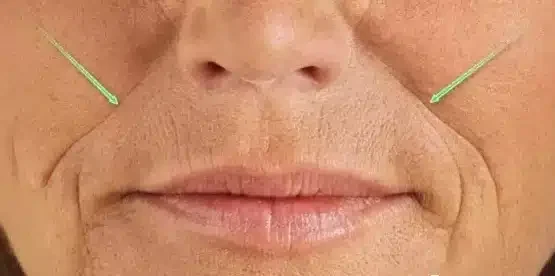
Regardless of age, pronounced nasolabial folds can affect the harmony and youthfulness of the face. These deep lines not only make a person appear older but may also project a fatigued or stern appearance. Once formed, they are difficult to fade naturally, which is why many turn to modern aesthetic treatments for help.
Today’s aesthetic medicine offers a variety of effective treatments to address nasolabial folds and restore a youthful look. One of the most common is hyaluronic acid (HA) filler(玻尿酸填充). Also known as glycosaminoglycan or hyaluronan(透明质酸), this substance is a natural component of the dermis.
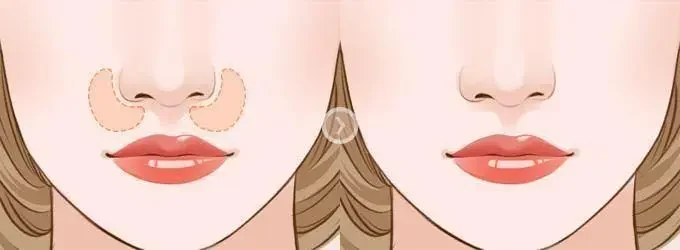
In cosmetic procedures, HA fillers are injected into sunken or wrinkled areas to restore volume and smooth the skin. When treating nasolabial folds, medium-density hyaluronic acid is typically injected into the nasal base area(鼻基底) to fill the hollow grooves and restore contour, resulting in immediate visible improvement.
This method is one of the most popular choices among patients due to its quick results and natural-looking effect. For those whose nasolabial folds are still primarily expression lines(表情纹), botulinum toxin(肉毒素) injections may also be effective. By targeting the levator labii superioris and levator labii superioris alaeque nasi, botulinum toxin reduces dynamic muscle movement, softening the appearance of these lines. It can also be combined with fillers for enhanced results.
If your nasolabial folds are accompanied by more advanced signs of aging, energy-based devices may offer better outcomes. At Ai Beauty Clinic in London, we provide a wide range of anti-aging technologies tailored to treat aging-related nasolabial folds, such as:
-
Ultherapy(美版超声刀)
-
Thermage FLX(第五代热玛吉)
-
Radiofrequency microneedling(射频黄金微针)
-
Fotona laser(欧洲之星 Fotona)
These treatments work by stimulating collagen regeneration at the foundational level, helping to tighten skin and reduce the appearance of nasolabial folds over time.
For younger individuals or those with mild volume loss, nasolabial folds may not be too prominent. If you’re seeking fast and visible results, injectable fillers remain an excellent first-line option. In addition, regular radiofrequency treatments and golden microneedling can help reduce the depth of nasolabial folds as part of your long-term skin maintenance routine.
However, if your priority is long-term anti-aging and wrinkle prevention, then lifting-based treatments (e.g. Ultherapy or Thermage) may be more suitable. These not only improve nasolabial folds but also combat overall facial aging, with more lasting results.
It’s important to understand that nasolabial folds develop due to a combination of factors, including facial fat distribution, ligament laxity, biomechanics, and tissue structural differences. Therefore, a personalized evaluation by a qualified aesthetic practitioner is essential to determine the best treatment plan.
If you’re unsure which approach suits you best, we highly recommend scheduling a consultation with a medical aesthetics expert(医美专业医师面诊). Through professional assessment and open discussion, you’ll be able to create a customized plan to improve your nasolabial folds effectively and safely.