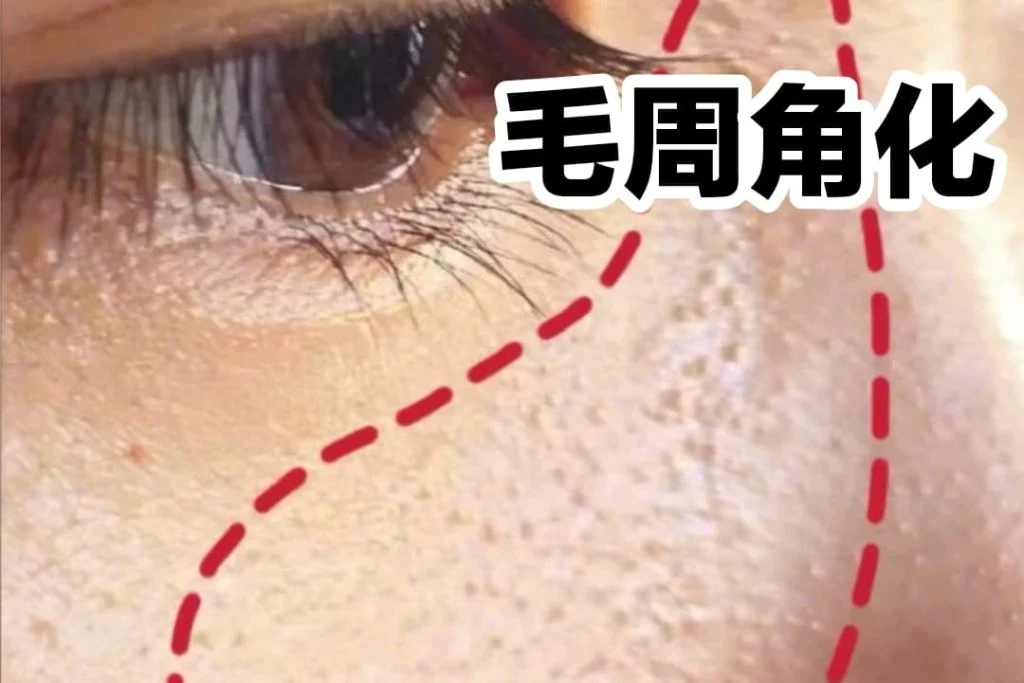
Everyone desires smooth, flawless skin—but keratosis pilaris(毛周角化) can stand in the way. Have you ever noticed mysterious little bumps on your face? You might not be sure whether they’re acne or clogged pores, and no matter what you do, they just won’t go away. These tiny bumps affect the smoothness of your skin—and in fact, they may be a sign of a condition called keratosis pilaris, a common but often misunderstood skin disorder(皮肤疾病).
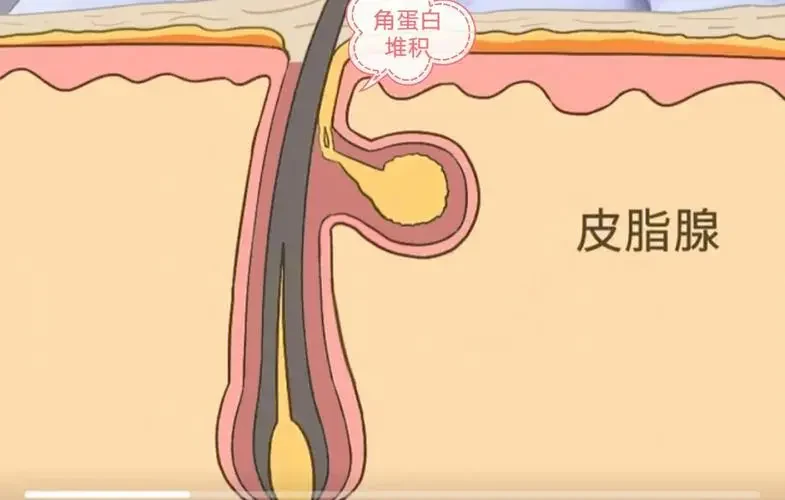
Keratosis pilaris is translated into Chinese as “角化症丘疹,” also known as “毛周角化症.” It’s sometimes called follicular keratosis(毛囊角化病), lichen pilaris(毛发苔藓), or more colloquially, “鸡皮肤” (chicken skin). This is a chronic follicular keratotic disorder(慢性毛囊角化性皮肤病), inherited in an autosomal dominant pattern. In simple terms, the hair follicles become clogged with excess keratin, a protein that normally protects the skin.
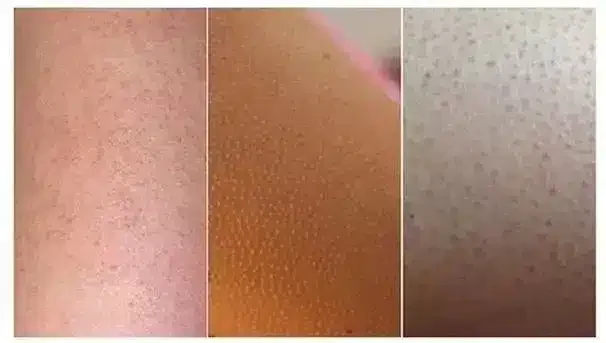
It typically appears as small, rough, sandpaper-like bumps or papules on the skin, giving a texture similar to “goosebumps” or rough patches. These keratotic papules(角化性丘疹) commonly show up on areas with more oil production or thicker hair follicles, such as the upper arms, thighs, buttocks, and sometimes the face. They may be accompanied by perifollicular erythema(毛囊周围红斑), giving the affected areas a slightly reddish appearance.
Although keratosis pilaris is not harmful to your health, when it appears on the face, it can affect skin texture and give the appearance of noise or graininess in photos—making it an aesthetic concern. In some cases, it may cause minor discomfort or a slight stinging sensation, especially during dry and cold seasons.
Since keratosis pilaris is mostly genetically inherited(遗传性), many cases are passed down from family members. However, environmental and lifestyle factors can also contribute. Poor cleansing habits, excessive exfoliation, or damage to the skin barrier can all trigger symptoms. This is because keratosis pilaris is linked to excessive keratin production and follicular blockage. In teenagers, increased sebum production combined with poor cleansing can clog pores and further thicken the stratum corneum, which worsens the condition.
Many people mistake keratosis pilaris for other skin problems, but there are some clear signs. You can usually see a small keratin plug(角质栓) at the hair follicle opening—these vary in size and feel like needlepoint-sized papules. Sometimes they’re surrounded by red patches. You can usually see them with the naked eye, and confirming it by touch is easy. One of the most common forms appears as tiny, translucent bumps on the sides of the nose. Other areas include red patches on the temples (especially in men), flushed pores on the cheeks, and rough “chicken skin” on the shoulders, forearms, and calves.
To treat keratosis pilaris, topical medications such as creams containing urea or lactic acid can be used to help exfoliate the skin and reduce symptoms. Chemical exfoliation(化学剥脱), especially acid peels(刷酸), is another effective option. Acid-based products can break down the oil bonds between keratinocytes, allowing the dead skin cells to shed and encouraging faster cell turnover. This helps to promote collagen and elastin regeneration(真皮层内弹性纤维增生), refine skin texture, shrink pores, and brighten skin tone. However, acid peels do carry some risk, so it’s not advisable to attempt them at home.
In the UK, professional medical aesthetic clinics offer safer and more effective treatments. Ai Beauty Clinic London, certified by the UK’s Care Quality Commission (CQC), is one of the most trusted names in the industry. It is highly recommended by leading global manufacturers such as ULTHERAPY(超声刀) and PICOSURE(蜂巢皮秒). Their acid peeling treatments use the Milk Peel developed by Dermaceutic Laboratoire, a leading French skincare brand. This multi-acid formula(复合酸) has clearly labeled concentrations and ingredients, ensuring transparency and safety throughout the treatment process—making it a reliable solution for a wide range of skin concerns.
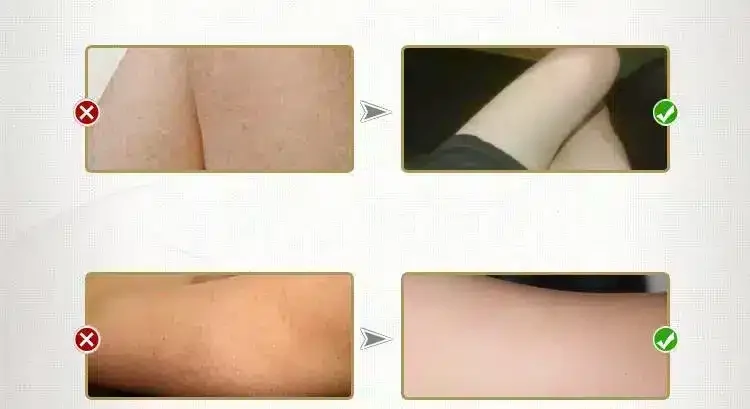
If your skin is dry and dehydrated with a compromised barrier(皮肤屏障受损), then HydraFacial(海菲秀) is another treatment worth considering. This advanced “black technology” uses a patented 4-in-1 dual-directional VORTEX system(四合一真空双向VORTEX技术) to deeply cleanse and infuse nourishing serums into the skin. With no pain and zero downtime, a 30-minute session can address concerns such as blackheads, dehydration, fine lines, sensitivity, dullness, enlarged pores, acne, and photoaging—restoring healthy, radiant skin. With regular treatments, HydraFacial helps rebuild the skin barrier and keep pores clear, preventing recurring skin issues.
While keratosis pilaris may not be a serious health condition, it can still be a persistent nuisance for many. With the help of professional dermatological treatments, even this small concern can be effectively managed. At Ai Beauty Clinic, you have the right to achieve smoother, healthier skin—because everyone deserves to feel confident in their own skin.