As we age, the most prominent wrinkle on the face often becomes the nasolabial fold (法令纹). If you observe closely, you’ll notice that almost everyone, including celebrities who are meticulous about their appearance, eventually faces the “nasolabial fold crisis.” Once these lines become noticeable, they give off a strong impression of aging — making a person appear stern, tired, and less approachable, as though the mid-face soft tissue is sagging altogether. That’s why one of the most crucial lessons in facial anti-aging is combating nasolabial folds. And to do so effectively, you need to understand the role of the nasal base depression (鼻基底凹陷).
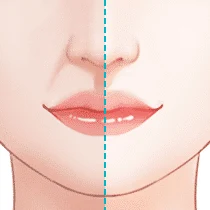
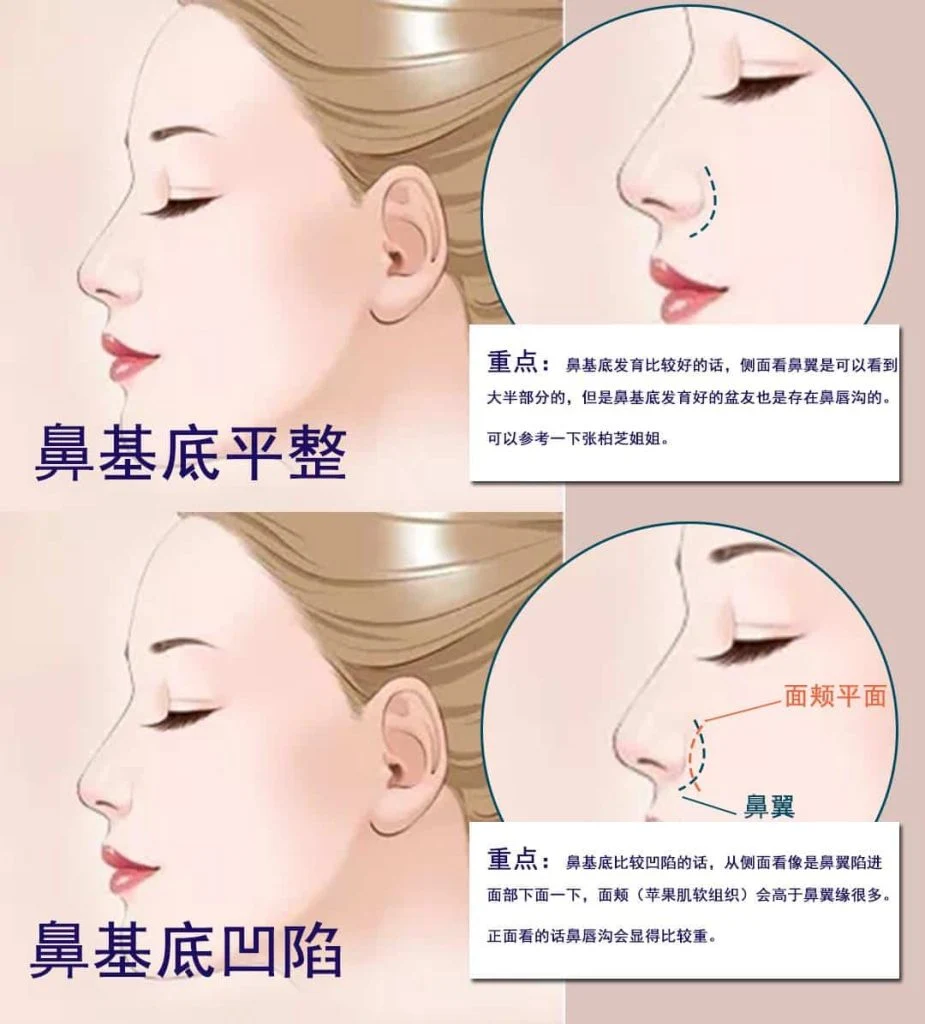
Nasolabial folds are complex wrinkles with multiple causes — from skin laxity and aging to overactive facial expressions and muscle movement. However, a major anatomical factor is the depression at the nasal base. The nasal base is the structural area where the sides of the nose meet the upper lip. When this area is recessed, it creates a visual “pit” that makes the upper lip appear more protruded, the nose look lower, and the mid-face seem sunken — all of which contribute to the deepening of the nasolabial fold.
There are several reasons for nasal base depression. Some people naturally have more recessed bones in this area, resulting in a noticeable height gap between the nasal base and the protruding mouth, which directly intensifies nasolabial folds. The more protruded the mouth, the greater the disparity — and the more prominent the folds. In others, age-related bone resorption and soft tissue loss cause the nasal base to collapse, making the folds even more pronounced. Simply put, from an anatomical perspective, nasal base depression and nasolabial folds often go hand in hand — they rarely exist in isolation. Therefore, a highly effective way to visually soften nasolabial folds is to fill the nasal base, with one of the most popular methods being Hyaluronic Acid Nasal Base Augmentation(玻尿酸丰鼻基底).
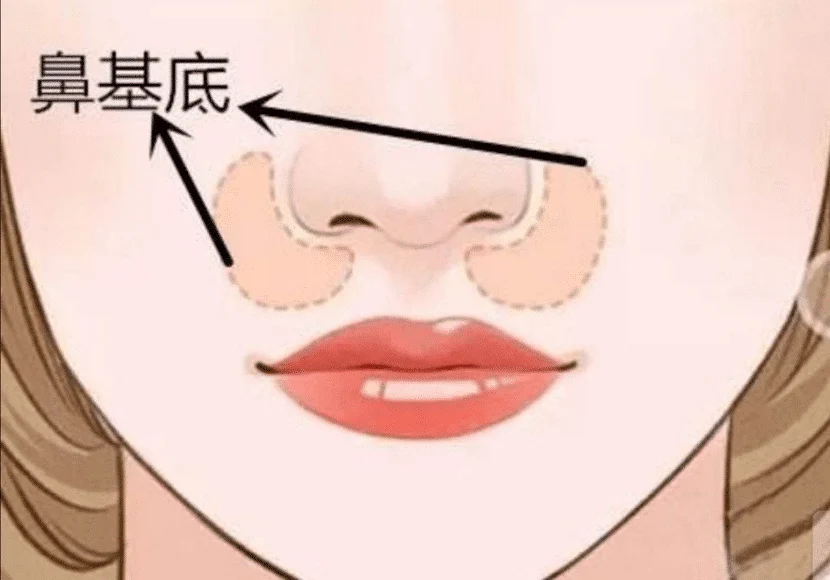
Hyaluronic acid (HA), also known as glycuronic acid or hyaluronan (糖醛酸/透明质酸), is a natural component of the dermis. In aesthetic medicine, HA is injected into areas of the skin that are sunken or need volume — such as the lips, cheeks, nasal bridge, and chin — to smooth wrinkles and enhance facial contours naturally. In Hyaluronic Acid Nasal Base Augmentation(玻尿酸丰鼻基底), a medium-viscosity HA filler is injected into the skin at specific sites: the depressed area beside the alar base (outer nostrils), directly into the nasolabial fold itself, and the outer area below the lips. The injected HA integrates with the body’s own hyaluronic acid, plumping up the depression and flattening the nasolabial fold for a lifted and youthful appearance. This method offers immediate wrinkle reduction and visible rejuvenation.
This procedure requires injections at the periosteal layer (骨膜层) for optimal support, and precision in dosage is critical. Since the nasal base moves during facial expressions, precise technique is necessary to prevent filler migration. Only experienced professionals can ensure a natural result and long-lasting outcome. In the UK, many Asian clients prefer Ai Beauty Clinic in London, the largest integrated Asian aesthetic clinic in the country. Fully certified by the Care Quality Commission (CQC), Ai Beauty is officially authorized by many leading medical brands. All injection practitioners are registered with the GMC/NMC (General Medical Council/Nursing and Midwifery Council), and they possess extensive experience working with Asian facial structures. The clinic enjoys high trust and excellent reputation in the UK. Hyaluronic Acid Nasal Base Augmentation(玻尿酸丰鼻基底) is one of their most sought-after services, with daily appointments and consistently visible results.
Compared to implants or other methods, hyaluronic acid augmentation is fast, minimally invasive, and delivers natural-looking results. The procedure is comfortable, with no need for general anesthesia or concern for rejection — making it ideal for clients who are more cautious or afraid of pain. Since HA naturally exists in the human body, it is metabolized over time and is considered very safe. However, to maintain long-term results, repeat treatments are necessary. Claims of “permanent results” are misleading and should not be trusted.