Among all skin issues, “痘痘” (pimples) are definitely one of the top 3 most searched terms, as almost everyone has dealt with breakouts at some point. Skin that is prone to acne is often referred to as “痘肌” (acne-prone skin). Once smooth skin starts to battle pimples, it can feel like an ongoing nightmare. Since pimples are such a common and frustrating issue, how do we talk about them in English?
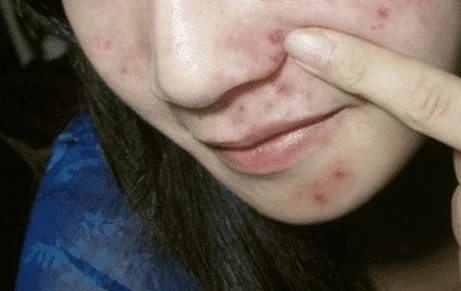
Generally, “痘痘” is translated as pimple, which refers to a small inflamed spot filled with pus. Another casual and colloquial term for it is zit. On the other hand, “痤疮” is referred to as acne, which is the broader and more clinical term that includes pimples, blackheads, and whiteheads. In Chinese, “痤疮” is considered the medical term, while “痘痘” is a more general expression. Technically speaking, pimples are an early manifestation of acne. Some early-stage bumps, such as comedones (粉刺), also fall under the category of pimples, but when the condition progresses, it becomes full-blown acne.
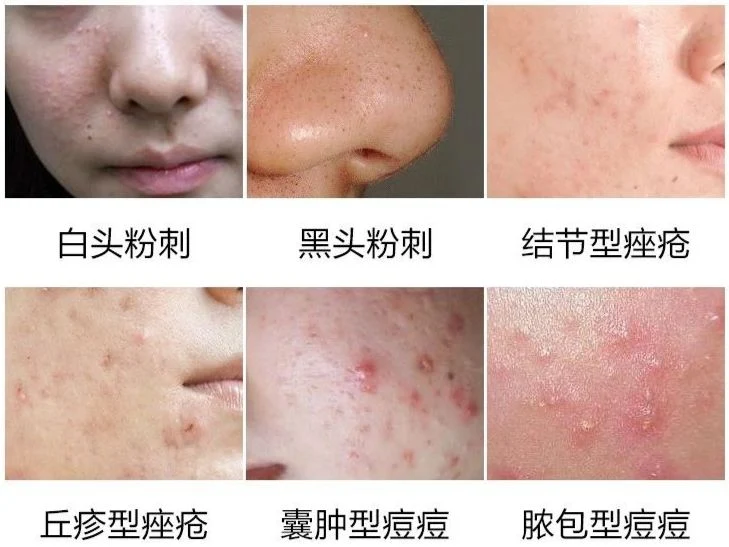
There are many different types of pimples, such as:
-
Comedones (粉刺性青春痘)
-
Papules (丘疹性青春痘)
-
Pustules (脓包性青春痘)
-
Cysts (囊肿性青春痘)
-
Nodules (结节性青春痘)
-
Atrophic pimples (萎缩性青春痘)
-
Aggregate pimples (聚合性青春痘)
Each type has its own symptoms and severity.
Acne itself can also be categorized into various types, such as:
-
Adolescent acne (青春期痤疮)
-
Comedonal acne (粉刺型痤疮)
-
Baby acne (新生儿痤疮)
-
Drug-induced acne (药物性痤疮)
-
Acne breakouts (爆发性痤疮)
The most common type is adolescent acne, which is what we usually refer to as “青春痘” in Chinese—but don’t translate it as “young bean” or “teenager bean”!
In general, acne can be caused by several factors, including excessive sebum production, clogged hair follicles, microbial overgrowth, and inflammatory response. The phrase get pimples can describe breaking out, and acne-prone is used to describe skin that’s susceptible to pimples.
If you’re tempted to squeeze a pimple, common phrases include pop a pimple, pick a pimple, or squeeze the pimple. However, be warned—it’s not always safe to do so, as it can worsen inflammation and lead to more severe inflammatory skin disorders. In such cases, professional skin management treatments can be more effective in addressing acne issues.
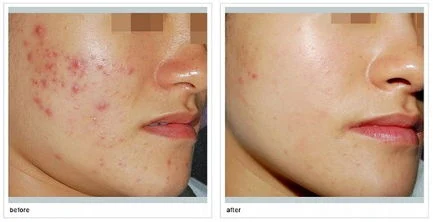
In injectable aesthetics, common treatments for oily, acne-prone skin include:
-
Mesotherapy (水光针)
-
Platelet-rich plasma / PRP therapy (自体血清嫩肤)
Both are effective in hydrating the skin and reducing breakouts.
They can also be combined with:
-
Hydrafacial (海菲秀)
-
Acid Peel (刷酸)
These treatments help reduce oil production (inhibiting oil secretion), fight bacteria and inflammation, and promote epidermal metabolism to restore the skin barrier.
To further improve skin texture and address broader acne concerns, Radiofrequency (RF) Microneedling (射频黄金微针) is also a great option. The radiofrequency energy helps with antibacterial and anti-inflammatory effects, which in turn improves large pores, active acne, and residual acne marks.
Important note: In the UK, especially in London, only choose certified medical aesthetic clinics that are regulated by the Care Quality Commission (CQC), such as Ai Beauty Clinic, to ensure safety and treatment efficacy.