You’ve probably seen closed comedones(闭口粉刺)before—or even found some on your own skin. These tiny, stubborn bumps lie just beneath the skin’s surface. While they aren’t as visible as pimples, they can still be incredibly frustrating.
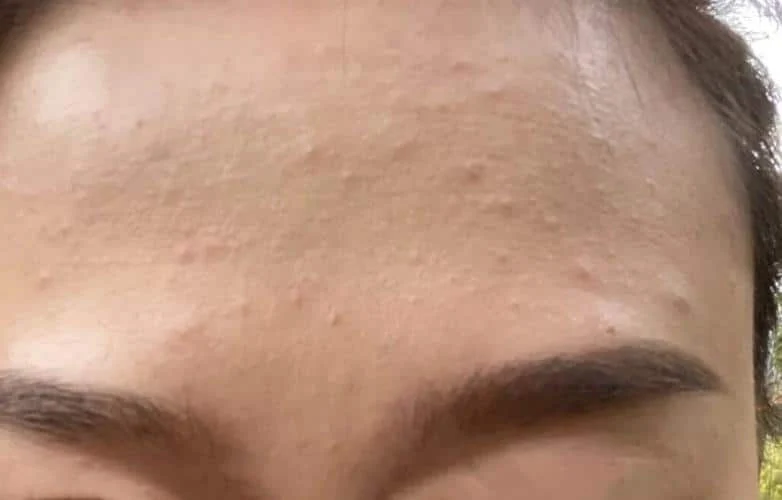
The term closed comedones(闭口粉刺)can be directly translated into English as “closed acne lesions” or “whiteheads.” They appear as small, flesh-colored or white bumps caused by the accumulation of keratin and sebum inside clogged hair follicles. Because the pore remains closed at the surface, they don’t oxidize like blackheads do and are difficult to extract manually.
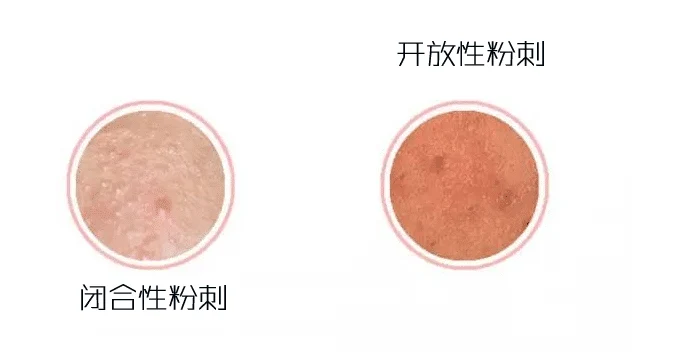
In fact, closed comedones are part of a broader category that includes open comedones(开放性粉刺/黑头)and closed comedones(闭合性粉刺/白头). Open comedones, better known as blackheads, are open at the skin’s surface and exposed to air, which causes the oil inside to oxidize and turn black. In contrast, closed comedones—also called whiteheads or milia-like bumps(暗粒)—remain sealed under the skin, forming small white or red bumps. White ones are typically non-inflammatory, while red ones may indicate inflammation and the early stages of acne.
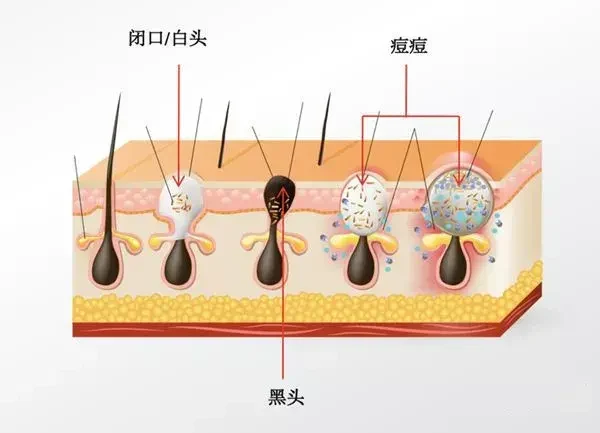
As one of the mildest forms of acne, closed comedones are most common during adolescence, when increased androgen levels stimulate sebaceous glands to produce excess oil. This excess oil, combined with dead skin cells and bacteria, clogs the follicle and forms a tiny white bump. Since the follicle opening is blocked by keratinized material, the oil and debris remain trapped inside, forming a closed comedo.
Sebum is a natural protector of the skin, but when overproduced, it can clog pores. This excess sebum mixes with keratin, forming closed comedones. Bacterial overgrowth can also contribute, leading to inflammation and potential progression into more severe acne. Other contributing factors include genetics, hormonal changes, and lifestyle. Some individuals are genetically more prone to closed comedones, while others may experience flare-ups due to hormonal fluctuations. Dietary factors—like high sugar or fat intake, dairy consumption, or vitamin B deficiencies—can also trigger or worsen breakouts, especially in those with picky or unbalanced diets. If you experience persistent closed comedones, it might be time to assess your eating habits.

Over-cleansing or using harsh skincare products can also damage the skin barrier, triggering closed comedones. Touching your face frequently introduces bacteria and irritants, which may inflame the skin and worsen the issue, turning closed comedones into full-blown pimples. These are common yet often overlooked causes in daily skincare routines.
Closed comedones can appear red, white, or even dark, depending on the level of inflammation or oxidation. The most common form appears as small, dense clusters—like tiny pinhead-sized bumps. They are not easily visible from a distance but can be felt by touch. They’re usually not painful, itchy, or swollen. Under side lighting, the skin may appear uneven due to these bumps. While not harmful to health, they can affect the overall texture and smoothness of your skin.
In the UK, many people choose Skin Booster injections(水光针) to treat closed comedones and improve skin texture. As one of the most popular skin treatments, Skin Boosters deliver hyaluronic acid and multivitamins directly into the dermis via mesotherapy. This activates cellular regeneration, promotes collagen and elastin production, reduces scars and pigmentation, deeply hydrates, smooths fine lines, and improves overall skin quality—making it ideal for people with closed comedones and additional skin rejuvenation needs.
For a more targeted solution, HydraFacial(海菲秀) is often the top choice. It uses patented VORTEX suction technology combined with customized serums and microdermabrasion to deeply cleanse and extract blackheads, whiteheads, and comedones, while gently exfoliating dead skin cells. Simultaneously, nutrients are infused into the skin, helping to regulate oil production, accelerate metabolism, and leave the skin refreshed and clear. In just 30 minutes, the 3-step HydraFacial treatment can be tailored to different skin types and concerns. As the pioneer of “aqua dermabrasion,” it’s especially effective at clearing stubborn closed comedones.
If your skin also feels rough and bumpy, chemical peels(刷酸/果酸换肤)are another excellent option. They work by loosening desmosomes—the bonds between dead skin cells—encouraging natural shedding. This helps unclog pores and promote healthy skin turnover, stimulates collagen regeneration in the dermis, improves texture (especially keratosis pilaris), reduces pore size, balances oil, and brightens complexion. Compared to at-home peels, chemical peels performed at a licensed clinic are safer and more reliable.
If you’re looking to treat closed comedones safely and effectively without trial and error, Ai Beauty Clinic on Oxford Street, London, is your best choice. As the largest Asian medical aesthetic clinic in the UK, Ai Beauty has extensive clinical experience with Asian skin and a dedicated medical research team. Led by a renowned UK medical aesthetics trainer, their team includes former NHS doctors and nurses who are GMC/NMC-registered professionals—providing authentic, safe, and science-backed Asian aesthetic treatments.