When it comes to the term blemish, the first translation that usually comes to mind is “瑕疵” in Chinese. However, the term blemish actually carries several nuanced meanings depending on context.
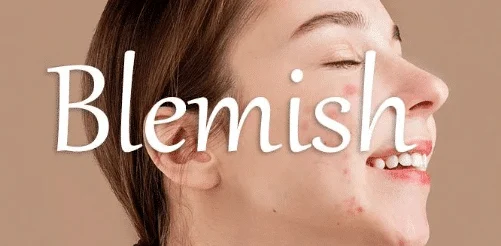
The word blemish originates from Old French blemir or blesmir, meaning “to make pale, to spoil, or to discolor.” It entered the English language in the mid-14th century, initially referring to moral degradation or defilement. By the late 14th century, it evolved to describe physical damage or disfigurement, and by the mid-15th century, it had taken on its modern meaning: “to spoil, to mar the perfection of something, to make defective or scarred.” It is often used in formal contexts, especially when referring to the tarnishing of a person’s appearance, character, or reputation. Therefore, blemishfunctions both as a noun and a verb.
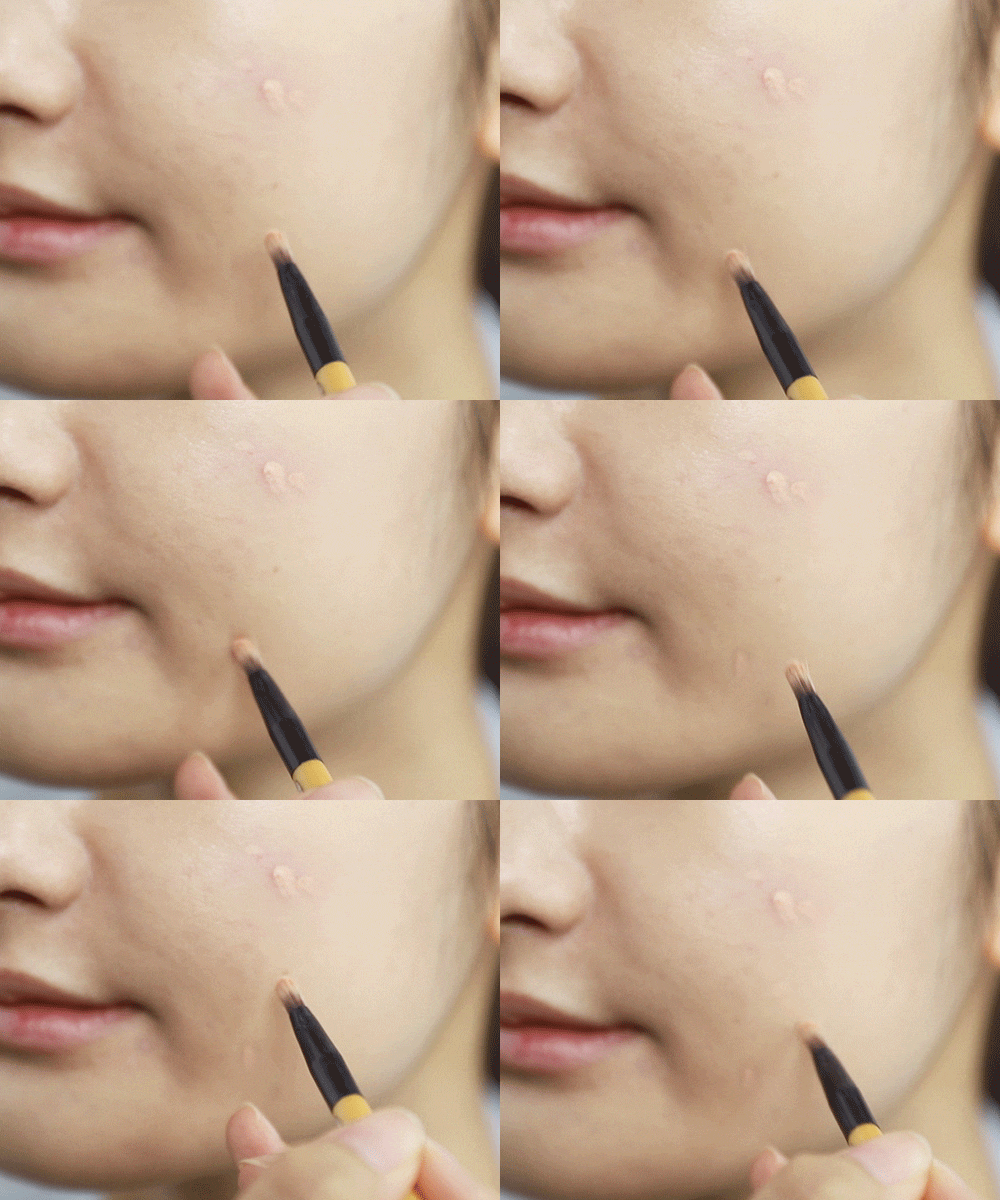
In everyday usage, when referring to people, blemish is often used metaphorically to describe a minor “flaw, defect, or imperfection,” especially in one’s personality or moral character. Beyond this figurative sense, its most common usage refers to marks or spots on the skin—such as birthmarks, freckles, pigmentation, moles, and scars. In Chinese, all of these are generally categorized under the term “瑕疵” (xiácī), which means surface flaws or imperfections.
You may have heard of BB cream without realizing that BB stands for Blemish Balm. Here, blemish refers to skin issues like freckles, scars, and blackheads—essentially any mark that affects the visual appearance of the skin’s surface. Thus, blemish often indicates visible spots, discolorations, or irregularities on the outer layer of an object or the human body.
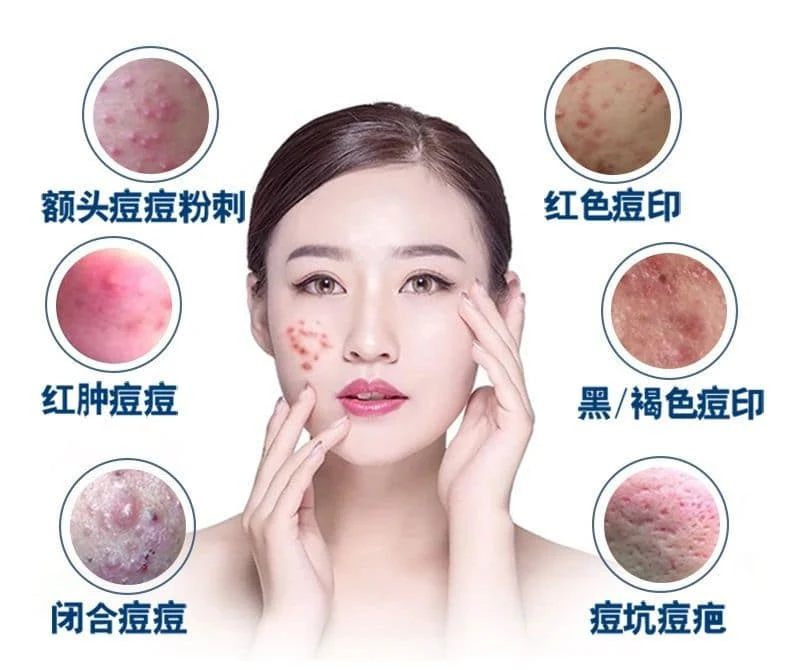
In medical aesthetics, blemish is a frequently used term. Many common skin issues—such as hyperpigmentation, acne, closed comedones, blackheads, post-acne marks, and acne scars—are considered skin blemishes. Most of these can be improved or treated with aesthetic procedures.
There are numerous medical aesthetic treatments available to address facial blemishes (瑕疵). For pigmentation and spots, treatments such as Intense Pulsed Light (IPL) and PicoSure laser can be used for maintenance and rejuvenation. For acne and closed comedones, skin boosters like 水光针 (HydraFacial or mesotherapy) and PRP (Platelet-Rich Plasma) autologous serum facials are effective options. For more stubborn acne scars and marks, higher-energy devices are often used, such as radiofrequency microneedling procedures like Gold RF Microneedling, FSR Fractional RF, or Morpheus8to repair the dermal layer.
In London, you can receive these advanced skin rejuvenation treatments at Ai Beauty Clinic, the largest integrated Asian medical aesthetics center in the UK. With extensive experience tailored to Asian skin types, fully certified practitioners, and skilled techniques, Ai Beauty Clinic offers professional and comprehensive blemish treatments that help your imperfections fade naturally—achieving beauty safely and effectively.